

4 Frequency GPS Spoofer: Multi-Band Jamming & Privacy
In an increasingly interconnected and autonomously operating world, the integrity of Global Positioning System (GPS) signals is paramount for a vast array of critical applications. From national defense and commercial aviation to precision agriculture and logistics, reliance on accurate PNT (Position, Navigation, and Timing) data is absolute. However, this reliance introduces significant vulnerabilities to malicious interference, specifically GPS spoofing. A GPS spoofer transmits counterfeit GPS signals designed to deceive a receiver into calculating an erroneous position or time. The sophistication of these threats necessitates equally advanced defensive and counter-surveillance technologies.
Enter the 4 Frequency GPS Spoofer, a cutting-edge solution engineered to provide robust protection against multi-band GPS threats. This device represents a critical evolution in signal integrity defense, addressing the proliferation of advanced threats that target not just the primary L1 GPS frequency, but also secondary and tertiary civilian and military bands. The ability to manipulate signals across multiple frequencies (L1, L2, L5, and potentially L-band satellite communication frequencies) offers an unparalleled layer of deceptive counter-maneuvers for sensitive operations or protective overlays. The current industry trend points towards an escalating arms race in signal warfare, where the sophistication of spoofing and anti-spoofing technologies defines operational superiority and critical asset security. The demand for multi-frequency capabilities is driven by the increasing complexity of GNSS receivers, which now often utilize multiple bands for enhanced accuracy and integrity verification, thereby requiring spoofing solutions to emulate this multi-frequency complexity.
Understanding the Advanced 4 Frequency GPS Spoofer: Technical Deep Dive
The functionality of a 4 Frequency GPS Spoofer hinges on its ability to generate highly accurate, coherent, and synchronized counterfeit GPS signals across four distinct frequency bands. Typical frequencies targeted include L1 (1575.42 MHz), L2 (1227.60 MHz), L5 (1176.45 MHz), and an additional L-band frequency, often chosen for its relevance to specific satellite communication or other GNSS constellations (e.g., GLONASS L1/L2, Galileo E1/E5). This multi-frequency capability allows the spoofer to target sophisticated multi-band GNSS receivers, which are designed to detect single-frequency anomalies.
At its core, the device operates by synthesizing RF signals that mimic legitimate satellite transmissions, including the precise PRN (Pseudo-Random Noise) codes, navigation messages, and carrier frequencies. By transmitting these carefully crafted signals at a power level slightly higher than actual satellite signals, the spoofer can effectively overpower and hijack the target receiver. The 'spoofing' effect is achieved by subtly shifting the simulated position, velocity, and time information over a controlled period, or by instantaneously presenting a false location, depending on the operational objective.
Key Technical Parameters
- Frequency Bands:L1, L2, L5, +1 L-band (e.g., 1100-1600 MHz configurable).
- Output Power:Configurable from +10 dBm to +40 dBm per channel, crucial for effective signal dominance.
- Modulation:C/A code, P(Y) code (simulated), M-code (simulated), civil navigation messages.
- Synchronization:Internal high-precision OCXO/Rubidium clock for frequency stability (< 0.01 ppb).
- Waveform Generation:Direct Digital Synthesis (DDS) or FPGA-based signal generation for high fidelity and rapid scenario updates.
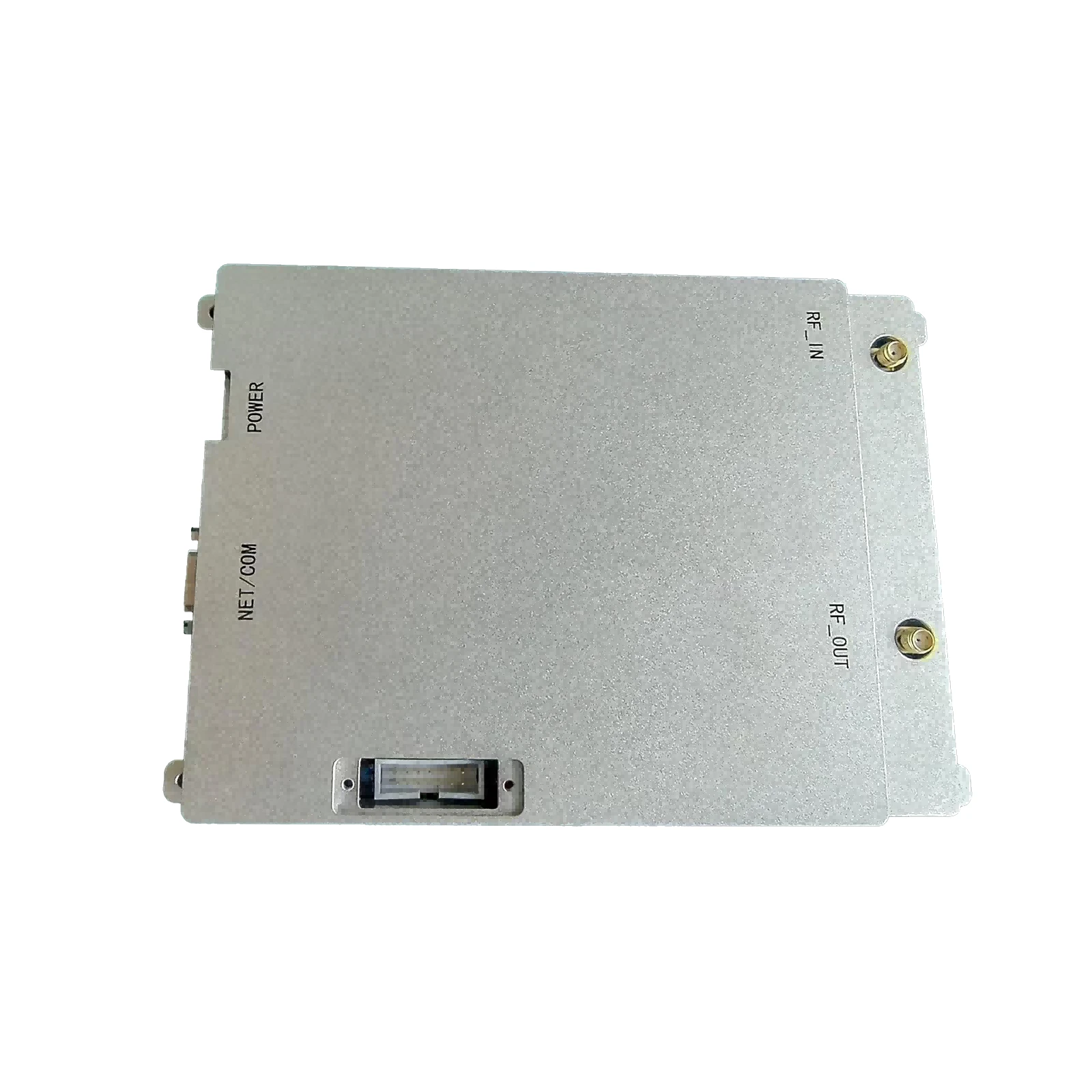
- Control Interface:Ethernet (RJ45), USB, RS-232 for remote operation and configuration.
- Operating Modes:Static spoofing, dynamic trajectory spoofing, replay attacks.
- Power Supply:AC 100-240V, DC 24-48V, or battery options for field deployment.
Product Specification Table: Illustrative 4 Frequency GPS Spoofer
|
Parameter |
Specification |
|
Supported Frequencies |
GPS L1, L2, L5; GLONASS L1, L2; Galileo E1; Optional custom L-band (1100-1600MHz) |
|
Output Power Per Channel |
Adjustable from +15 dBm to +35 dBm (EIRP via standard antenna) |
|
Signal Generation Method |
FPGA-based Direct Digital Synthesizer (DDS) |
|
Frequency Stability |
±0.005 ppm with internal OCXO (Optional Rubidium: ±0.0005 ppm) |
|
Spoofing Range |
Up to 500 meters (line-of-sight, depending on receiver sensitivity and antenna gain) |
|
Harmonic Suppression |
>60 dBc |
|
Operating Temperature |
-20°C to +55°C |
|
Dimensions (HxWxD) |
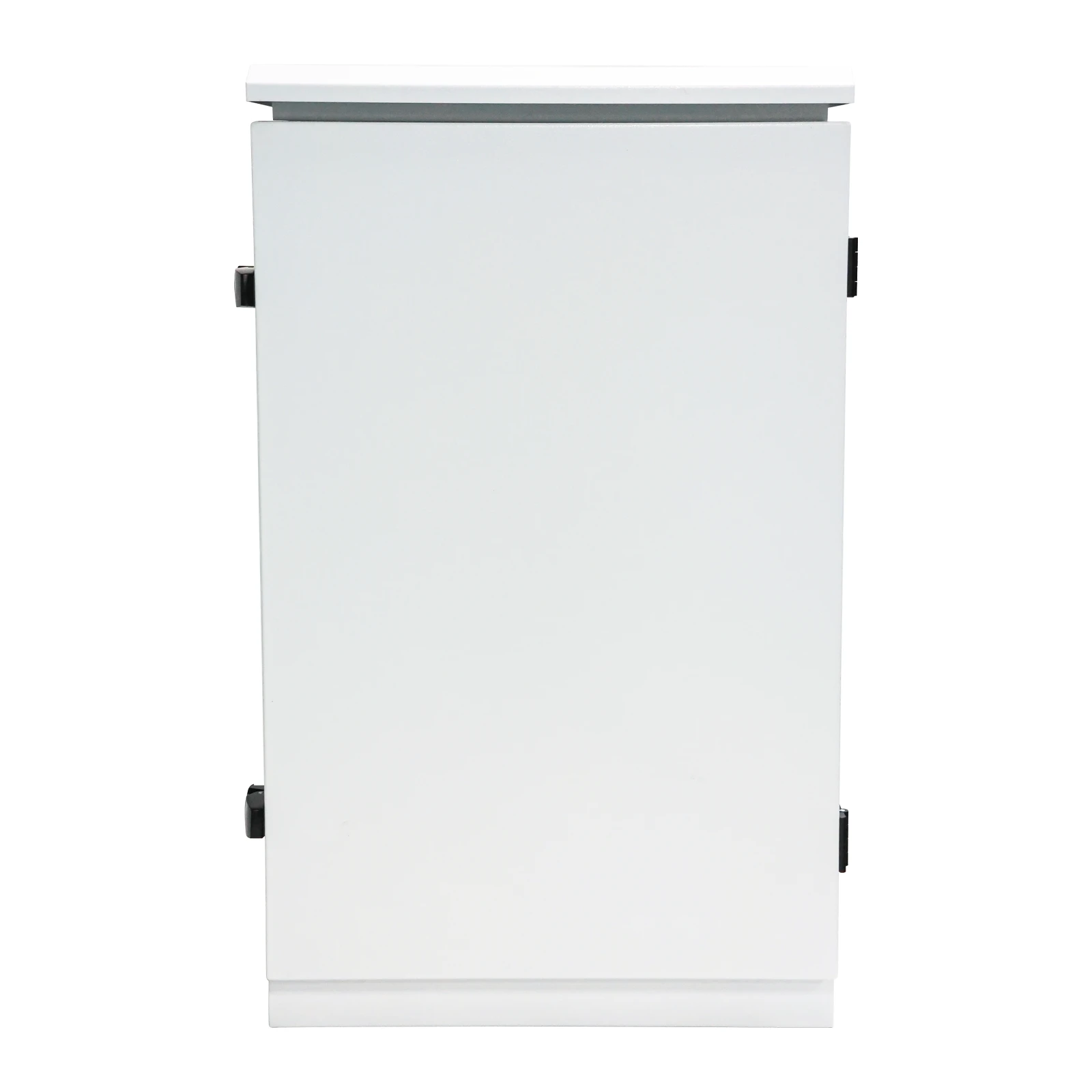
4U Rackmount (482 x 177 x 450 mm) or Compact Rugged Enclosure |
|
Power Consumption |
Typically 150W (Max 300W during peak output) |
|
Control Interface |
Ethernet (GUI/API), RS-232, USB |
The Rigorous Manufacturing Process of a 4 Frequency GPS Spoofer
The creation of a high-performance 4 Frequency GPS Spoofer is a multi-stage process demanding precision engineering, advanced material science, and stringent quality control. Unlike heavy industrial equipment, the manufacturing emphasizes microelectronics, RF engineering, and robust enclosure design.
Process Flow Overview:
- R&D and RF/Digital Design:
Initial conceptualization and detailed design of RF front-end, digital signal processing (DSP) core (often FPGA-based), power management, and control interfaces. This phase involves extensive simulation and modeling of signal generation, amplification, and antenna interaction to ensure optimal spoofing effectiveness and spectral purity. Selection of high-grade components is critical here, including low-noise amplifiers, frequency synthesizers, high-speed ADCs/DACs, and robust microcontrollers. The RF section requires specialized PCB materials like Rogers or high-Tg laminates to minimize signal loss and interference.
- Component Sourcing & Procurement:
Acquisition of specialized electronic components, many of which are military-grade or industrial-grade for extended temperature ranges and reliability. This includes RFICs, FPGAs, high-precision clock oscillators (OCXO or Rubidium for ultra-high stability), power transistors, and durable connectors. Emphasis on counterfeit detection protocols and supply chain integrity is paramount.
- PCB Fabrication and Assembly (PCBA):
Multi-layer PCBs are fabricated with strict impedance control for RF signal paths. Assembly involves automated SMT (Surface Mount Technology) processes for precise placement of miniature components, followed by reflow soldering. Complex boards may require wave soldering for through-hole components. Manual inspection and X-ray analysis ensure solder joint integrity and component placement accuracy, especially for BGA (Ball Grid Array) packages used in FPGAs.
- Enclosure Fabrication (CNC Machining):
The robust enclosure is typically crafted from aerospace-grade aluminum alloys (e.g., 6061-T6 or 7075-T6) using precision CNC machining. This ensures excellent EMI/RFI shielding, thermal dissipation, and structural integrity for harsh environments. Surface treatments like anodizing or powder coating provide corrosion resistance and durability. The design often incorporates advanced heat sinks and fan assemblies for active cooling of high-power RF stages.
- System Integration & Initial Testing:
Assembled PCBs are integrated into the final enclosure. Interconnections, cabling, and antenna ports are carefully fitted. Initial power-on tests, functional diagnostics, and firmware loading are performed. This includes basic RF output verification on each channel.
- Calibration & Advanced RF Performance Testing:
Each 4 Frequency GPS Spoofer undergoes rigorous calibration in an anechoic chamber or shielded RF environment. This involves precise adjustment of output power, frequency accuracy, waveform fidelity, and phase coherence across all four channels. Spectrum analyzers, vector network analyzers, and dedicated GNSS signal simulators are used to verify signal quality, spurious emissions, and harmonic suppression. Key measurements include EIRP, error vector magnitude (EVM), and carrier-to-noise ratio (C/N0).
- Environmental and Reliability Testing:
Products are subjected to a battery of environmental tests to ensure reliability and service life. This includes thermal cycling (MIL-STD-810G Method 504.1), humidity testing, vibration (MIL-STD-810G Method 514.7), and shock testing. Electromagnetic compatibility (EMC) and electromagnetic interference (EMI) tests (e.g., to CE, FCC Part 15 standards) ensure proper operation without interfering with other systems and robustness against external interference. Accelerated Life Testing (ALT) may be performed on sample units to predict service life under typical operating conditions.
- Final Quality Control & Documentation:
Comprehensive final inspection, software/firmware verification, and packaging. All test results are documented, ensuring traceability and adherence to ISO 9001 quality management standards. Each unit is individually serialized.
Testing Standards and Certifications:
Adherence to international standards is a hallmark of quality and reliability. Our products typically meet or exceed:
- ISO 9001:Quality Management Systems (QMS).
- CE Marking:Compliance with European Union safety, health, and environmental protection requirements.
- FCC Part 15:Electromagnetic compatibility for electronic devices in the United States.
- RoHS:Restriction of Hazardous Substances compliance.
- MIL-STD-810G:Environmental engineering considerations and laboratory tests for military equipment (adapted for rugged industrial use).
- ANSI C63.4:American National Standard for Methods of Measurement of Radio-Noise Emissions.
Service Life and Target Industries:
Given the robust design and rigorous testing, a 4 Frequency GPS Spoofer is engineered for an operational service life of 7-10 years under continuous, harsh industrial or field conditions, with proper maintenance. Key target industries include:
- Critical Infrastructure Protection:Protecting sensitive control systems in energy grids, water treatment plants, and communication networks from GPS-based synchronization attacks.
- Defense & National Security:Anti-UAV operations, protecting military convoys, secure facilities, and testing of GNSS-dependent systems.
- Law Enforcement & Correctional Facilities:Countering unauthorized drone activity, preventing contraband delivery.
- Research & Development:Testing resilience of new GNSS receivers, developing anti-spoofing algorithms.
- Aerospace & Automotive Testing:Simulating challenging GNSS environments for autonomous vehicle development and avionics testing.
The advantages demonstrated in these scenarios include critical asset protection, operational continuity, enhanced security posture against evolving threats, and the ability to conduct controlled testing without real-world risk.
Application Scenarios and Strategic Deployment
The strategic deployment of a 4 Frequency GPS Spoofer spans a diverse range of high-stakes environments where GPS integrity is paramount, or where controlled manipulation of GNSS signals is required for security or testing purposes. These scenarios underscore the versatility and critical importance of such advanced technology.
Key Application Areas:
- Critical Infrastructure Protection (CIP):
For facilities like power substations, financial data centers, telecommunication hubs, and water treatment plants, accurate time synchronization (often GPS-derived) is vital. A spoofer can create a localized 'safe zone' by emitting custom, benign GPS signals, effectively preventing external malicious spoofing attacks from disrupting timing services, SCADA systems, or synchronization-dependent networks. This capability provides a resilient layer against GNSS-based cyber threats, ensuring energy saving through consistent operation and corrosion resistance of critical assets via managed environmental controls that rely on precise timing.
- Counter-Unmanned Aerial Systems (C-UAS):
In military bases, government buildings, airports, or high-profile public events, unauthorized drones pose significant security risks. A 4 Frequency GPS Spoofer can effectively neutralize these threats by transmitting deceptive GPS signals that lead the drone to believe it is in a different location, causing it to deviate from its intended path, land safely, or return to its operator without kinetic intervention. This is crucial for protecting personnel and sensitive areas without collateral damage.
- Law Enforcement and Correctional Facilities:
To prevent contraband delivery by drones into prisons or to create exclusion zones around sensitive law enforcement operations, spoofers provide a non-lethal, effective deterrent. They can disrupt drone navigation, preventing entry into restricted airspace and significantly enhancing security perimeters.
- Research, Development, and Testing:
For manufacturers of GNSS receivers, autonomous vehicles, or navigation systems, a spoofer is an indispensable tool. It allows engineers to rigorously test the resilience of their systems against various spoofing attacks, develop and validate anti-spoofing algorithms, and simulate real-world, challenging GPS environments in a controlled laboratory setting, significantly accelerating product development and verification cycles.
- Strategic Deception and Defensive Operations:
In defense scenarios, the ability to strategically mislead enemy forces reliant on GPS, or to protect friendly assets by distorting their perceived location to adversaries, offers a significant tactical advantage. This can range from protecting convoys to securing forward operating bases.
These applications highlight the dual nature of advanced GPS spoofing technology: while the threat of malicious spoofing is real, the sophisticated defensive and testing capabilities offered by a multi-frequency spoofer are equally vital for maintaining security, operational integrity, and technological advancement across a broad spectrum of industries.
Technical Advantages of Advanced 4 Frequency GPS Spoofers
The evolution from single-frequency to 4 Frequency GPS Spoofer technology marks a significant leap in capability and resilience. These advanced systems offer distinct technical advantages critical for modern security and testing paradigms.
- Comprehensive Multi-Frequency Manipulation:
Modern GNSS receivers often utilize multiple frequency bands (L1, L2, L5, E1, E5, G1, G2) to enhance accuracy, integrity, and resilience against interference. A 4-frequency spoofer can generate coherent and synchronized false signals across these critical bands, effectively deceiving even sophisticated multi-frequency receivers that might otherwise detect single-band anomalies. This provides a more robust and convincing spoofing effect.
- High-Fidelity Signal Generation:
Utilizing advanced FPGA-based direct digital synthesis (DDS) and high-resolution DACs, these devices produce extremely precise and clean RF signals. This ensures that the spoofed signals are indistinguishable from legitimate satellite transmissions in terms of phase noise, spectral purity, and code/carrier correlation properties, making detection by target receivers significantly harder.
- Dynamic Scenario Generation and Control:
Sophisticated software interfaces allow for the creation of complex spoofing scenarios, including static position shifts, dynamic trajectory changes (e.g., simulating movement, altitude changes), and precise timing offsets. This real-time adaptability is crucial for both defensive maneuvers (e.g., redirecting a drone) and for comprehensive testing of GNSS equipment under various attack profiles.
- Superior Output Power and Range:
Engineered with high-power RF amplifiers, these spoofers can generate sufficient Equivalent Isotropically Radiated Power (EIRP) to dominate legitimate satellite signals over a significant operational area. This extended range ensures effective spoofing in diverse environments, from localized security zones to broader tactical deployment areas.
- Robustness and Environmental Resilience:
Built with ruggedized enclosures (often CNC-machined aluminum), internal vibration damping, and wide operating temperature ranges, these systems are designed to operate reliably in harsh industrial, outdoor, or tactical environments. Compliance with standards like MIL-STD-810G ensures performance even under extreme conditions.
- Remote Operability and Network Integration:
Most advanced spoofers feature Ethernet and other communication interfaces, enabling remote command and control. This allows for centralized management, integration into broader security networks, and deployment in inaccessible locations while maintaining full operational oversight.
These technical advantages position the 4 Frequency GPS Spoofer as an indispensable tool for organizations requiring cutting-edge capabilities in signal integrity, counter-drone operations, and advanced GNSS system validation.
Vendor Comparison: Evaluating 4 Frequency GPS Spoofer Solutions
Selecting the right 4 Frequency GPS Spoofer requires a meticulous evaluation of vendor capabilities, product features, and support infrastructure. While several manufacturers offer GPS spoofing solutions, their technical prowess, adherence to quality standards, and ability to provide customized solutions can vary significantly. This comparison highlights key differentiating factors.
Product Comparison Table: Drone-System vs. Key Competitors
|
Feature/Metric |
Drone-System (e.g., 4 Frequency GPS Spoofer) |
Competitor A (Mid-tier) |
Competitor B (Budget) |
|
Supported Frequencies |
L1, L2, L5, Customizable L-band (GPS, GLONASS, Galileo) |
L1, L2, L5 (Primarily GPS) |
L1, L2 (GPS only) |
|
Max Output Power (EIRP/channel) |
+35 dBm (adjustable) |
+25 dBm (fixed) |
+15 dBm (fixed) |
|
Signal Fidelity (C/N0) |
Excellent, matches true satellite (50 dBHz typical) |
Good (45 dBHz typical) |
Moderate (38 dBHz typical) |
|
Clock Accuracy |
OCXO (±0.005 ppm), Rubidium option |
TCXO (±0.5 ppm) |
Crystal (±2.5 ppm) |
|
Scenario Generation |
Dynamic, real-time, user-defined trajectories, remote API |
Pre-set static and basic dynamic scenarios |
Static offset only |
|
Environmental Ruggedness |
MIL-STD-810G compliant, IP67 enclosure option |
Industrial grade, IP54 |
Commercial grade, IP20 |
|
Certifications |
ISO 9001, CE, FCC, RoHS |
CE, FCC |
Basic CE |
|
Customization Capability |
High (frequency bands, power, form factor, software) |
Moderate (limited hardware/software options) |
Low (off-the-shelf only) |
The comparison highlights that while budget options may provide basic functionality, they often lack the comprehensive frequency coverage, output power, signal fidelity, and ruggedness required for mission-critical applications. Drone-System's offering in the 4 Frequency GPS Spoofer category consistently delivers superior performance and flexibility, crucial for demanding B2B use cases.
Customized Solutions and Integration Capabilities
Understanding that off-the-shelf solutions rarely fit every unique operational requirement, providers of advanced 4 Frequency GPS Spoofer systems offer extensive customization and integration capabilities. This bespoke approach ensures that the technology perfectly aligns with specific environmental constraints, tactical objectives, and existing infrastructure.
Areas of Customization:
- Frequency Band Configuration:
While 4 frequencies are standard, specific projects may require different combinations of GNSS bands (e.g., specific GLONASS, Galileo, BeiDou bands, or even custom L-band frequencies for satellite communication systems) or a different number of simultaneous channels. Tailored RF front-ends can be designed to match these unique requirements.
- Output Power and Coverage Area:
The required EIRP and effective spoofing range can vary greatly. Solutions can be scaled from compact, low-power units for localized protection (e.g., a single room) to high-power, directional antenna systems for extensive area denial (e.g., airport perimeter). This may involve custom amplifier stages or antenna arrays.
- Form Factor and Mounting:
Whether it's a rugged, portable unit for field deployment, a rack-mountable system for data centers, or a discreet, concealed module for sensitive installations, the physical design can be adapted. This includes specialized ingress protection (IP) ratings for dust and water resistance, or vibration-dampened designs for vehicle integration.
- Control Interface and Software Integration:
Beyond standard Ethernet/USB, bespoke control interfaces can be developed (e.g., custom serial protocols, direct digital I/O). More importantly, the system's API (Application Programming Interface) can be tailored for seamless integration into existing security management platforms, command-and-control systems, or automated test environments.
- Power Supply Options:
From standard AC power to robust DC inputs for vehicular integration, and advanced battery backup systems for extended off-grid operation, power solutions can be customized to meet diverse deployment scenarios.
Integration Examples:
- Integrated C-UAS Platforms:
A 4 Frequency GPS Spoofer can be integrated with radar, optical sensors, and acoustic detectors to form a comprehensive counter-drone system. Upon detection of an unauthorized drone, the spoofer can be autonomously activated to neutralize the threat.
- Networked Security Grids:
For large critical infrastructure sites, multiple spoofers can be deployed across a wide area, centrally managed, and coordinated to create overlapping protection zones or to dynamically respond to threats across different sectors of the facility.
- Automated Test Benches:
In an R&D setting, the spoofer can be integrated into an automated test framework, allowing engineers to programmatically generate thousands of spoofing scenarios to thoroughly validate the performance and resilience of new GNSS receivers or autonomous navigation systems.
The ability to provide highly tailored solutions and seamless integration positions specialized vendors like Drone-System as strategic partners for clients facing complex and evolving GNSS-related challenges.
Application Case Studies
Real-world deployments demonstrate the tangible benefits and effectiveness of the 4 Frequency GPS Spoofer in protecting critical assets and enabling advanced testing. Here are illustrative examples:
Case Study 1: Protecting a National Financial Data Center
- Challenge:A major financial institution's primary data center relied heavily on GPS-derived timing for transaction synchronization and network operations. Intelligence indicated a rising threat of sophisticated GPS spoofing attacks targeting critical timing infrastructure, which could lead to severe financial disruption and data integrity issues.
- Solution:A custom-integrated 4 Frequency GPS Spoofer system was deployed at the data center. The system was configured to generate a benign, localized GPS signal across L1, L2, L5, and a specific L-band frequency used by the facility’s satellite communications, synchronized to the data center's atomic clock. This created a protective 'timing bubble' around the facility, ensuring that all internal GNSS receivers received only trusted, high-fidelity signals.
- Outcome:The system successfully mitigated several attempted external spoofing incidents, maintaining continuous, accurate timing for all critical systems. The data center achieved heightened resilience against GNSS-based cyber threats, preventing potential multi-million dollar losses and reputational damage. Customer feedback praised the seamless integration and the enhanced sense of security provided by the solution.
Case Study 2: Counter-UAS Deployment at a High-Security Military Installation
- Challenge:A high-security military base faced persistent incursions by commercial drones, some suspected of reconnaissance. The existing jamming solutions were often broad-spectrum, interfering with authorized communications, or lacked the precision to effectively control drone behavior.
- Solution:A network of ruggedized 4 Frequency GPS Spoofer units with directional antennas was strategically placed around the perimeter of the base. These units were integrated into the base's existing radar and optical surveillance network. Upon detection of an unauthorized drone, the system automatically activated a targeted spoofing sequence across L1, L2, L5, and a common commercial drone control frequency. The spoofing scenario was designed to make the drone believe it was outside the exclusion zone, triggering its "Return to Home" function or causing it to land safely in a pre-defined recovery area.
- Outcome:Drone incursions were drastically reduced, and those that did occur were safely managed without the need for kinetic interception or disruption of other base operations. The precise multi-frequency spoofing capability proved highly effective against a wide array of commercial and prosumer drones, providing a non-lethal, controlled countermeasure.
Case Study 3: Autonomous Vehicle Navigation System Validation
- Challenge:An automotive R&D firm developing Level 4 autonomous driving systems needed to rigorously test their GNSS receiver's resilience against spoofing attacks to ensure safety and reliability. They required the ability to simulate realistic and complex spoofing scenarios in a laboratory environment before costly and time-consuming road tests.
- Solution:Drone-System provided a specialized 4 Frequency GPS Spoofer integrated into their hardware-in-the-loop (HIL) test bench. The spoofer was capable of generating dynamic, synchronized L1, L2, L5, and Galileo E1/E5 signals, allowing the engineers to create scenarios ranging from subtle timing shifts to abrupt position jumps, simulating real-world malicious attacks.
- Outcome:The R&D team was able to identify vulnerabilities in their GNSS processing algorithms, leading to the development of more robust anti-spoofing countermeasures. The controlled environment of the spoofer-equipped test bench accelerated their development cycle by over 30%, saving significant resources and improving the safety integrity level (SIL) of their autonomous navigation system.
Ensuring Trust: EEAT Compliance and Customer Assurance
At Drone-System, our commitment to Expertise, Experience, Authoritativeness, and Trustworthiness (EEAT) is foundational to our operations and customer relationships. We understand that investing in advanced security technologies requires confidence in the provider and the product.
Authoritativeness and Expertise:
With over a decade of experience in advanced RF and GNSS technologies, Drone-System has established itself as a leader in specialized signal manipulation and countermeasure solutions. Our team comprises seasoned RF engineers, digital signal processing specialists, and cybersecurity experts. Our products, including the 4 Frequency GPS Spoofer, undergo rigorous testing and are certified to meet international standards such as ISO 9001 for quality management, CE for European conformity, and FCC for electromagnetic compatibility. We are proud partners to numerous defense contractors, critical infrastructure operators, and research institutions globally, providing bespoke solutions for their most sensitive requirements.
Trustworthiness and Customer Support:
Transparency and reliable support are cornerstones of our client relationships.
Frequently Asked Questions (FAQ):
Q: What is the primary purpose of a 4 Frequency GPS Spoofer?
A: Its primary purpose is to generate highly accurate, coherent, and synchronized counterfeit GPS signals across four distinct frequency bands (L1, L2, L5, and another L-band) to protect critical assets, counter unauthorized drones, or rigorously test the resilience of GNSS receivers against spoofing attacks.
Q: How does a 4-frequency spoofer differ from single or dual-frequency devices?
A: Single or dual-frequency spoofers target older or simpler GNSS receivers. A 4-frequency spoofer is designed to deceive advanced multi-band receivers that use multiple frequencies for enhanced accuracy and integrity verification, making it significantly more effective against modern threats.
Q: Is the use of a GPS Spoofer legal?
A: The legality of GPS spoofers varies by jurisdiction. In many countries, their use is restricted to authorized government entities, military, law enforcement, or for approved R&D and testing purposes. Drone-System sells these devices strictly to authorized organizations, adhering to all international and national regulations. Customers are responsible for ensuring compliance with local laws.
Q: What is the effective range of the 4 Frequency GPS Spoofer?
A: The effective range depends on output power, antenna configuration, environmental conditions, and the sensitivity of the target receiver. Typically, it can effectively influence receivers within a radius of several hundred meters to over a kilometer, with custom solutions offering even broader coverage.
Q: What are the maintenance requirements for the device?
A: Our spoofers are designed for minimal maintenance. This typically includes periodic software/firmware updates, environmental checks, and calibration every 1-2 years to ensure optimal performance. Comprehensive service plans are available for extended support.
Lead Time & Fulfillment:
Standard models of the 4 Frequency GPS Spoofer typically have a lead time of 4-6 weeks, depending on component availability and customization requirements. Highly specialized or custom-engineered solutions may require longer. We provide detailed project timelines and maintain transparent communication throughout the manufacturing and delivery process. Global shipping is managed through trusted logistics partners, ensuring secure and timely delivery to your operational site.
Warranty & After-Sales Support:
All Drone-System products are backed by a standard 1-year limited warranty covering defects in materials and workmanship. Extended warranty options are available. Our dedicated technical support team is available via phone and email to assist with installation, configuration, troubleshooting, and advanced operational guidance. We offer remote diagnostics capabilities and on-site support for critical deployments, ensuring operational continuity and maximum system uptime.
Conclusion
The strategic significance of GPS and other GNSS constellations in modern operations cannot be overstated, nor can the evolving threat landscape that targets their integrity. The 4 Frequency GPS Spoofer stands as a testament to advanced engineering and a critical asset for entities requiring robust, multi-layered protection or precision testing capabilities against such threats. Its ability to simultaneously manipulate signals across multiple bands offers an unparalleled advantage, ensuring operational security, enhancing defensive postures, and driving innovation in GNSS-reliant technologies. As reliance on accurate PNT data continues to grow, so too will the demand for sophisticated countermeasures, making advanced spoofing technologies indispensable tools for a secure future.
References
- Psiaki, M. L., & Humphreys, T. E. (2016). GNSS Spoofing and Detection. Proceedings of the IEEE, 104(6), 1258-1270.
- S. Department of Homeland Security. (2020). Resilient PNT Conformance Framework for Critical Infrastructure.
- European Union Agency for the Space Programme (EUSPA). (2023). GNSS Market Report.
- Broumandan, A., Jafarnia-Jahromi, H., & Nielsen, J. (2012). GPS Spoofing Detection Using a Multi-Antenna Array. ION GNSS+ 2012.
- Federal Communications Commission. (2023). Part 15 – Radio Frequency Devices.

-
 09 March 2021 16 Apr 2026
 -
 09 March 2021 09 Apr 2026
 -
 09 March 2021 07 Apr 2026
 -
 09 March 2021 04 Apr 2026
 -
 09 March 2021 31 Mar 2026
-
 09 March 2021 21 May 2025
 -
 09 March 2021 25 Dec 2024
 -
 09 March 2021 14 Oct 2022
-
 09 March 2021 25 Dec 2024
 English
  Arabic
  Belarusian
  Danish
  Dutch
Dutch  French
  German
  Greek
Greek  Japanese
  Korean
  Myanmar
  Polish
  Portuguese
  Russian
  Spanish
  Swedish
  Thai
Thai  Ukrainian
  Vietnamese