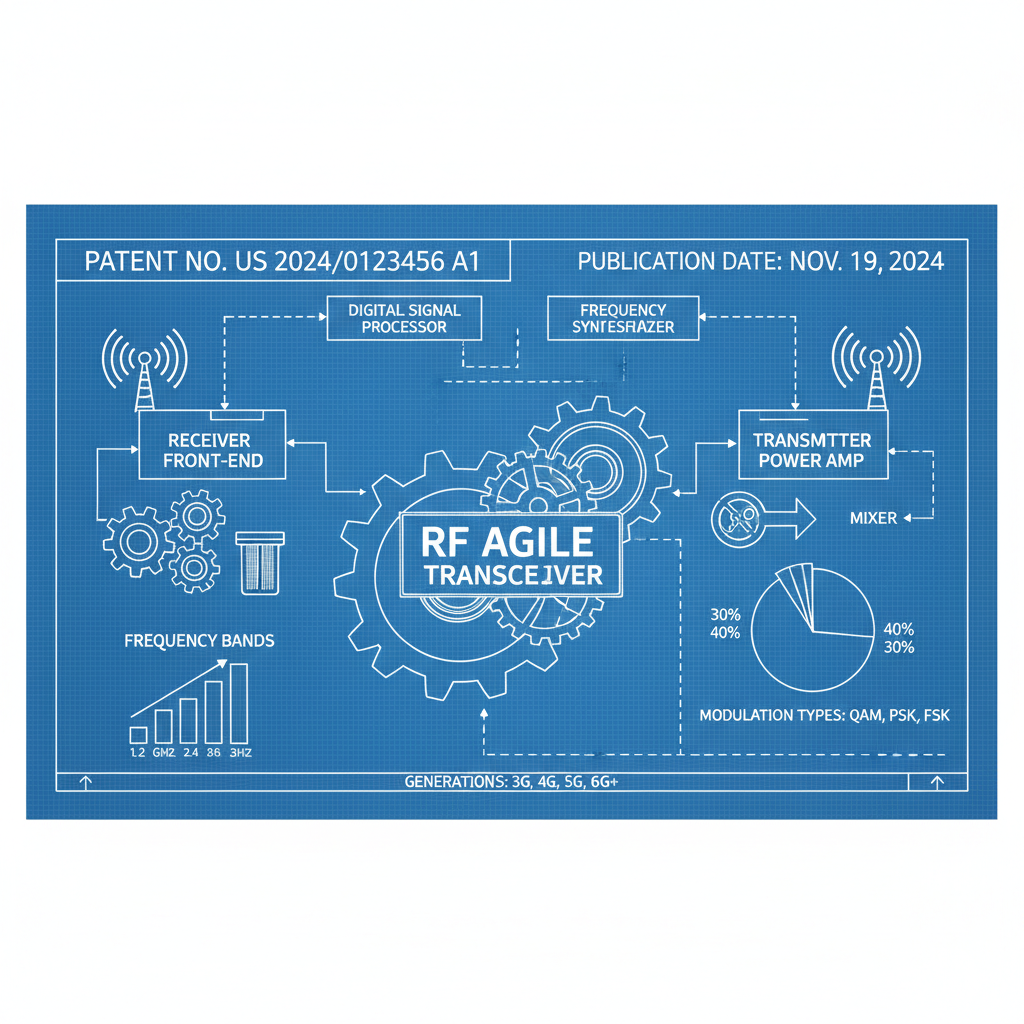
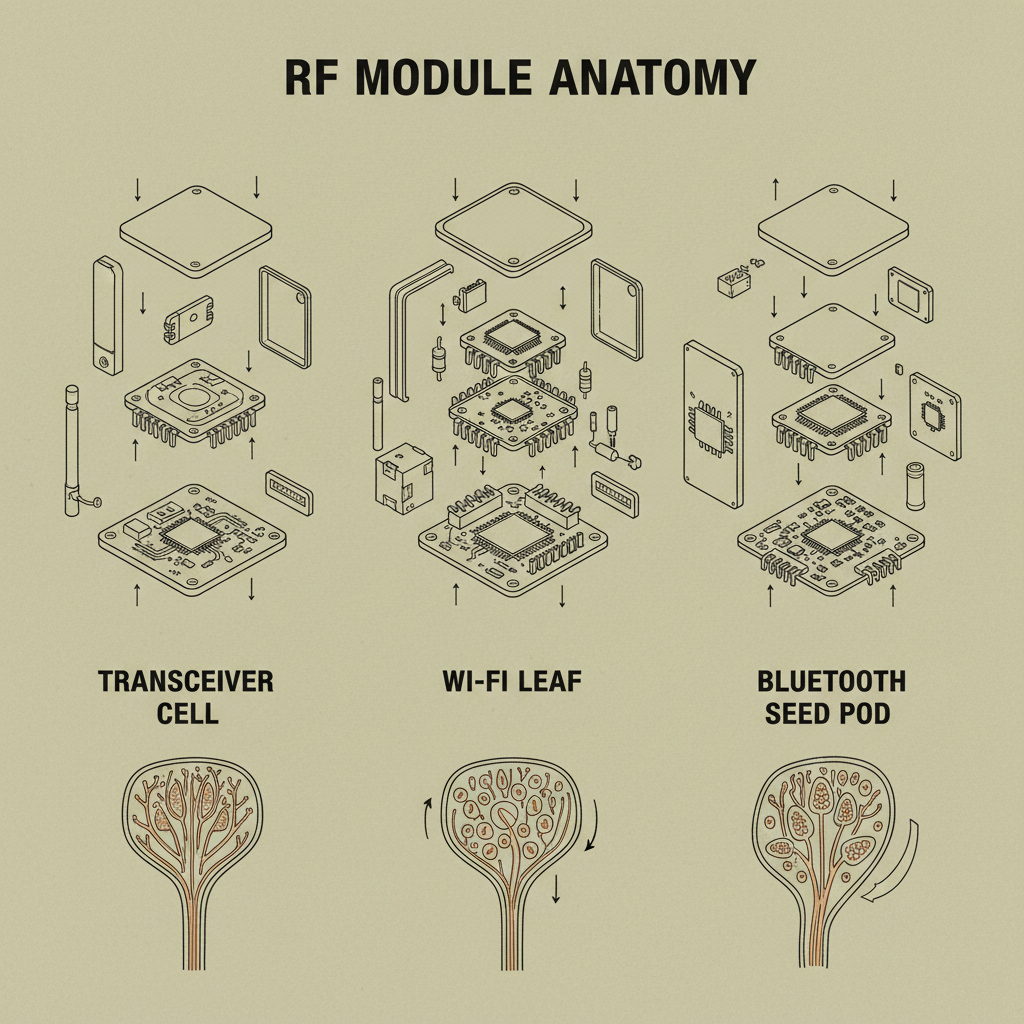
The realm of wireless communication is constantly evolving, and at the heart of this progress lies the rf agile transceiver. These sophisticated devices are becoming increasingly vital in a world demanding seamless connectivity, from everyday consumer electronics to critical industrial and defense applications. Understanding the principles and capabilities of rf agile transceiver technology is paramount for innovators, engineers, and anyone involved in shaping the future of wireless systems. Their ability to dynamically adapt to changing radio frequency environments makes them a key enabler of modern communication networks.
The global demand for efficient and reliable wireless communication continues to surge, driven by the proliferation of IoT devices, 5G networks, and the increasing reliance on remote monitoring and control systems. rf agile transceiver solutions are positioned to address this demand by offering increased flexibility, improved spectrum utilization, and enhanced resistance to interference. The economic impact is substantial, with significant investment flowing into research and development, and the deployment of advanced wireless infrastructure.
Essentially, the rf agile transceiver represents a paradigm shift in wireless communication. It moves away from fixed frequency operation towards a dynamic, software-defined approach. This adaptability is crucial in overcoming the challenges of a crowded and complex radio spectrum, allowing for more efficient use of available bandwidth and improved overall system performance. This technology is no longer a futuristic concept, but a practical necessity driving innovation across numerous industries.
The Core Principles of rf agile transceiver
At its core, the rf agile transceiver operates on the principle of software-defined radio (SDR). This means that many of the traditionally hardware-implemented functions of a radio – such as modulation, filtering, and frequency tuning – are now performed by software. This provides unparalleled flexibility, allowing the transceiver to adapt to different standards, frequencies, and protocols without requiring hardware modifications.
The dynamic frequency selection and adaptive modulation techniques employed by rf agile transceiver devices contribute significantly to their efficiency and robustness. By constantly monitoring the radio environment and adjusting parameters accordingly, these transceivers can minimize interference, optimize signal quality, and maximize data throughput. This is particularly crucial in congested urban environments or challenging industrial settings.
Global Relevance and Industry Impact
The demand for rf agile transceiver technology is global, with substantial growth projected across various sectors. According to a recent report by the ITU (International Telecommunication Union), the number of active mobile broadband subscriptions is expected to reach 8.9 billion by the end of 2023, highlighting the increasing need for efficient spectrum management and reliable wireless connectivity. This growth is particularly pronounced in developing countries, where affordable and accessible communication is vital for economic development.
Industries benefiting from rf agile transceiver advancements include telecommunications, defense, aerospace, automotive, and industrial automation. The World Economic Forum estimates that the IoT will generate over $1 trillion in economic value by 2025, and rf agile transceiver will be a critical component in enabling this interconnected ecosystem. Furthermore, ISO standards related to wireless communication are increasingly emphasizing the need for adaptable and secure radio systems, driving innovation in transceiver design.
The challenge lies in the growing spectrum scarcity and the increasing complexity of wireless environments. rf agile transceiver offer a viable solution by allowing for dynamic spectrum access, cognitive radio capabilities, and improved interference mitigation, effectively addressing these challenges.
Defining the rf agile transceiver
Simply put, an rf agile transceiver is a radio transmitter and receiver that can rapidly and automatically adjust its operating frequency, modulation scheme, and other parameters in response to changing conditions. It’s a significant departure from traditional, fixed-frequency transceivers, offering a level of adaptability previously unattainable.
The connection to modern industry and humanitarian needs is profound. In industrial settings, rf agile transceiver enable robust and reliable communication in challenging environments, supporting applications like remote monitoring, predictive maintenance, and autonomous robotics. In humanitarian efforts, they facilitate critical communication links in disaster relief operations, providing connectivity in areas where infrastructure has been damaged or destroyed.
These devices are becoming increasingly integral to the development of smart cities, connected vehicles, and advanced healthcare solutions, fundamentally altering how we interact with technology and the world around us.
Key Characteristics of rf agile transceiver
The rf agile transceiver boasts several defining characteristics. Wideband Operation is paramount, enabling it to cover a broad range of frequencies, avoiding the limitations of narrowband systems. Software-Defined Architecture is crucial, allowing for remote configuration and updates, and the addition of new features without hardware changes.
Adaptive Modulation is another key feature, permitting the transceiver to switch between different modulation schemes (e.g., QPSK, 16-QAM, 64-QAM) based on channel conditions, maximizing data throughput. Dynamic Frequency Selection (DFS) enables avoidance of occupied channels and interference sources. Low Latency is vital for real-time applications, and Security Features like encryption and authentication are essential for protecting sensitive data.
rf agile transceiver Performance Metrics
Real-World Applications of rf agile transceiver
In post-disaster relief operations, rf agile transceiver are deployed to establish temporary communication networks, enabling first responders to coordinate efforts and provide critical assistance. They allow for the creation of ad-hoc mesh networks, bypassing damaged infrastructure and ensuring reliable connectivity.
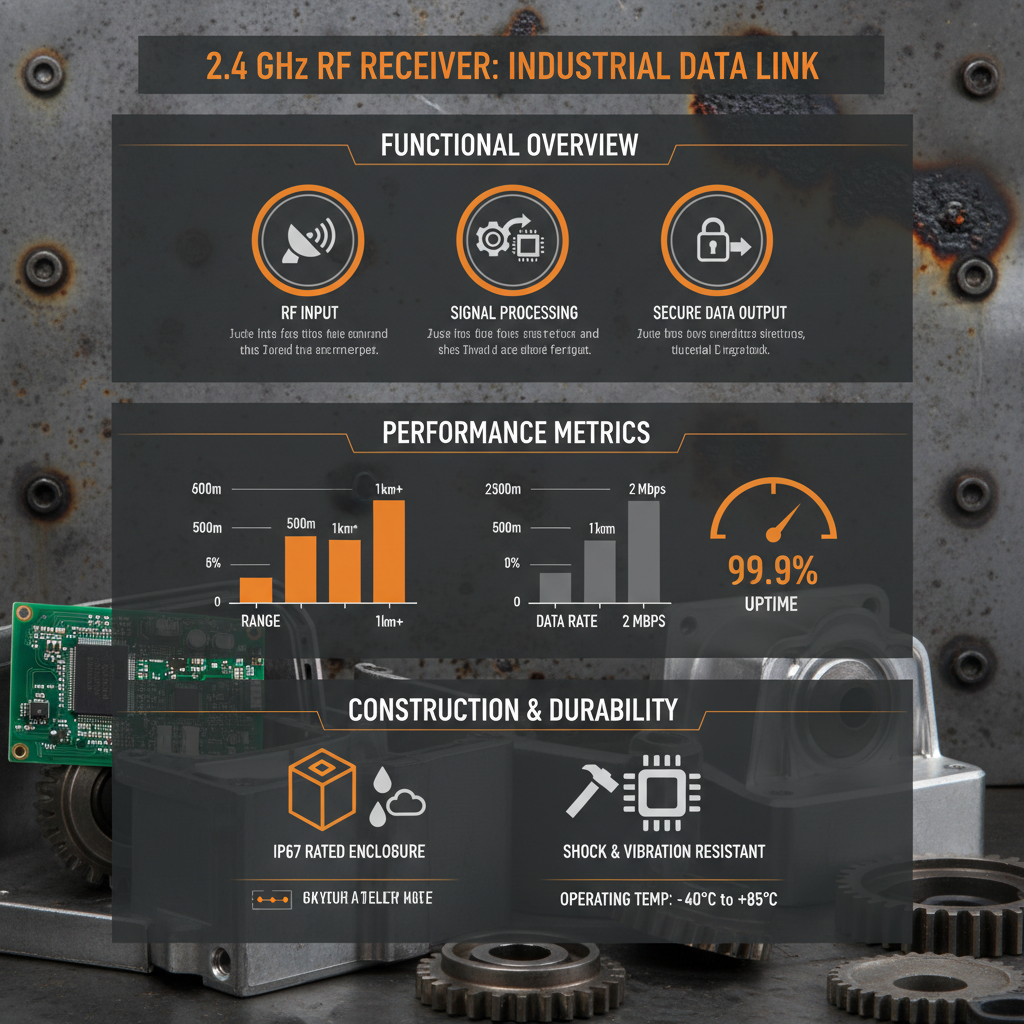
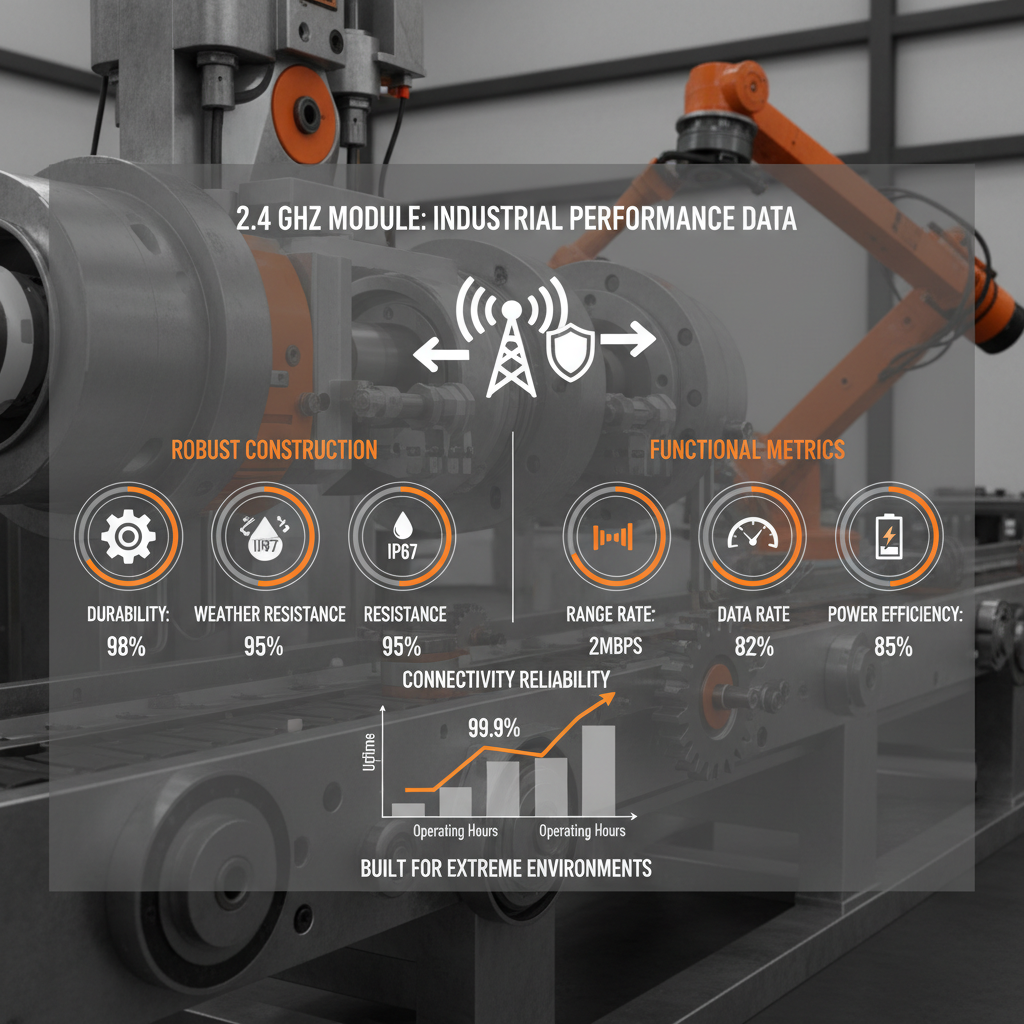
In remote industrial zones – such as oil rigs or mining operations – rf agile transceiver facilitate remote monitoring of equipment, automated control systems, and enhanced worker safety. Their ability to operate reliably in harsh environments makes them ideal for these applications. Furthermore, the aerospace industry utilizes them for satellite communications and aircraft control systems, demanding high performance and robustness.
Advantages and Long-Term Value Proposition
The tangible benefits of rf agile transceiver are numerous. Cost efficiency is achieved through reduced hardware costs, simplified maintenance, and increased spectrum utilization. Sustainability is enhanced by minimizing energy consumption and reducing the need for frequent hardware upgrades. The social impact is substantial, providing reliable communication access to underserved communities and enabling effective disaster response.
Beyond these practical advantages, rf agile transceiver inspire innovation, foster trust in communication networks, and promote safety and dignity. The flexibility and adaptability of these systems empower businesses and organizations to respond quickly to changing needs and maintain a competitive edge. They represent an investment in a more connected and resilient future.
Future Trends and Emerging Innovations
Looking ahead, several key trends are shaping the future of rf agile transceiver. The integration of artificial intelligence (AI) and machine learning (ML) will enable even more intelligent and adaptive radio systems, capable of self-optimization and proactive interference mitigation. The development of new materials – such as gallium nitride (GaN) and silicon carbide (SiC) – will lead to higher power efficiency and improved performance.
Furthermore, the convergence of rf agile transceiver with 5G and beyond-5G technologies will unlock new possibilities for ultra-reliable low-latency communication (URLLC) and massive machine-type communication (mMTC). Green energy solutions, such as energy harvesting, will further reduce the environmental impact of wireless communication infrastructure. Digital transformation and automation will drive the demand for increasingly sophisticated and adaptable radio systems.
Overview of Common Challenges and Potential Solutions in rf agile transceiver Deployment
| Challenge Area |
Description of the Issue |
Proposed Solution |
Potential Impact |
| Spectrum Congestion |
Increasing demand for wireless services leads to crowded frequency bands. |
Implement Dynamic Spectrum Access (DSA) and Cognitive Radio (CR) techniques. |
Improved spectrum utilization and reduced interference. |
| Interference Mitigation |
External signals and co-channel interference degrade signal quality. |
Employ advanced signal processing algorithms and beamforming techniques. |
Enhanced signal-to-interference-plus-noise ratio (SINR). |
| Security Vulnerabilities |
Wireless communication is susceptible to eavesdropping and malicious attacks. |
Integrate robust encryption protocols and authentication mechanisms. |
Protected data confidentiality and integrity. |
| Power Consumption |
High power consumption limits battery life and increases operational costs. |
Optimize transceiver design for energy efficiency and explore energy harvesting options. |
Extended battery life and reduced environmental impact. |
| Complexity of Implementation |
Software-defined radio systems can be complex to develop and maintain. |
Utilize modular and reusable software components and development frameworks. |
Reduced development time and improved system maintainability. |
| Standardization Challenges |
Lack of universal standards hinders interoperability between different systems. |
Promote open standards and collaboration among industry stakeholders. |
Enhanced interoperability and reduced vendor lock-in. |
FAQS
An rf agile transceiver offers significantly increased flexibility and adaptability compared to fixed-frequency radios. It can dynamically adjust to changing radio environments, optimize signal quality, and avoid interference. This translates to more reliable communication, improved spectrum utilization, and the ability to support a wider range of applications and protocols. It's a shift from rigid hardware solutions to adaptable software-defined systems.
Software-Defined Radio (SDR) is the foundational technology behind rf agile transceivers. SDR allows many traditionally hardware-implemented functions of a radio – like modulation, filtering, and frequency tuning – to be performed by software. The rf agile transceiver utilizes SDR principles to achieve its dynamic and adaptable behavior. Essentially, SDR is the 'how' and the rf agile transceiver is the 'what' – the practical application of that technology.
Implementing rf agile transceiver systems can present challenges such as the complexity of software development, the need for specialized expertise, and the potential for increased power consumption. Ensuring security in a software-defined environment is also crucial. Overcoming these challenges requires careful design, robust testing, and the adoption of best practices in software engineering and cybersecurity.
In noisy environments, an rf agile transceiver generally outperforms traditional transceivers. Its ability to dynamically adjust modulation schemes and frequencies, along with advanced interference mitigation techniques, allows it to maintain a stable and reliable connection even in the presence of significant noise. Traditional transceivers, being fixed, are more susceptible to interference and may suffer from reduced performance or complete signal loss.
Emerging applications are diverse and rapidly expanding. They include advanced 5G and 6G wireless networks, intelligent transportation systems (connected vehicles), precision agriculture, industrial IoT (IIoT), drone communications, and satellite communications. The versatility of rf agile transceiver makes it a key enabler for many future technologies.
Security is paramount. Ensure robust encryption protocols are implemented, such as AES or RSA. Utilize secure authentication mechanisms to verify the identity of communicating devices. Regularly update software to patch vulnerabilities, and implement intrusion detection and prevention systems. Consider employing techniques like frequency hopping to make signals more difficult to intercept and jam.
Conclusion
In conclusion, the rf agile transceiver represents a transformative technology in the field of wireless communication. Its inherent flexibility, adaptability, and capacity for software-driven innovation are addressing critical challenges related to spectrum scarcity, interference, and the ever-increasing demand for reliable connectivity. From enhancing industrial efficiency to enabling life-saving disaster response, the benefits are far-reaching and profound.
Looking ahead, continued investment in research and development, coupled with the establishment of open standards, will be essential to unlock the full potential of rf agile transceiver. By embracing this technology, we can pave the way for a more connected, resilient, and sustainable future. To learn more about how rf agile transceiver solutions can benefit your organization, visit our website: www.drone-system.com