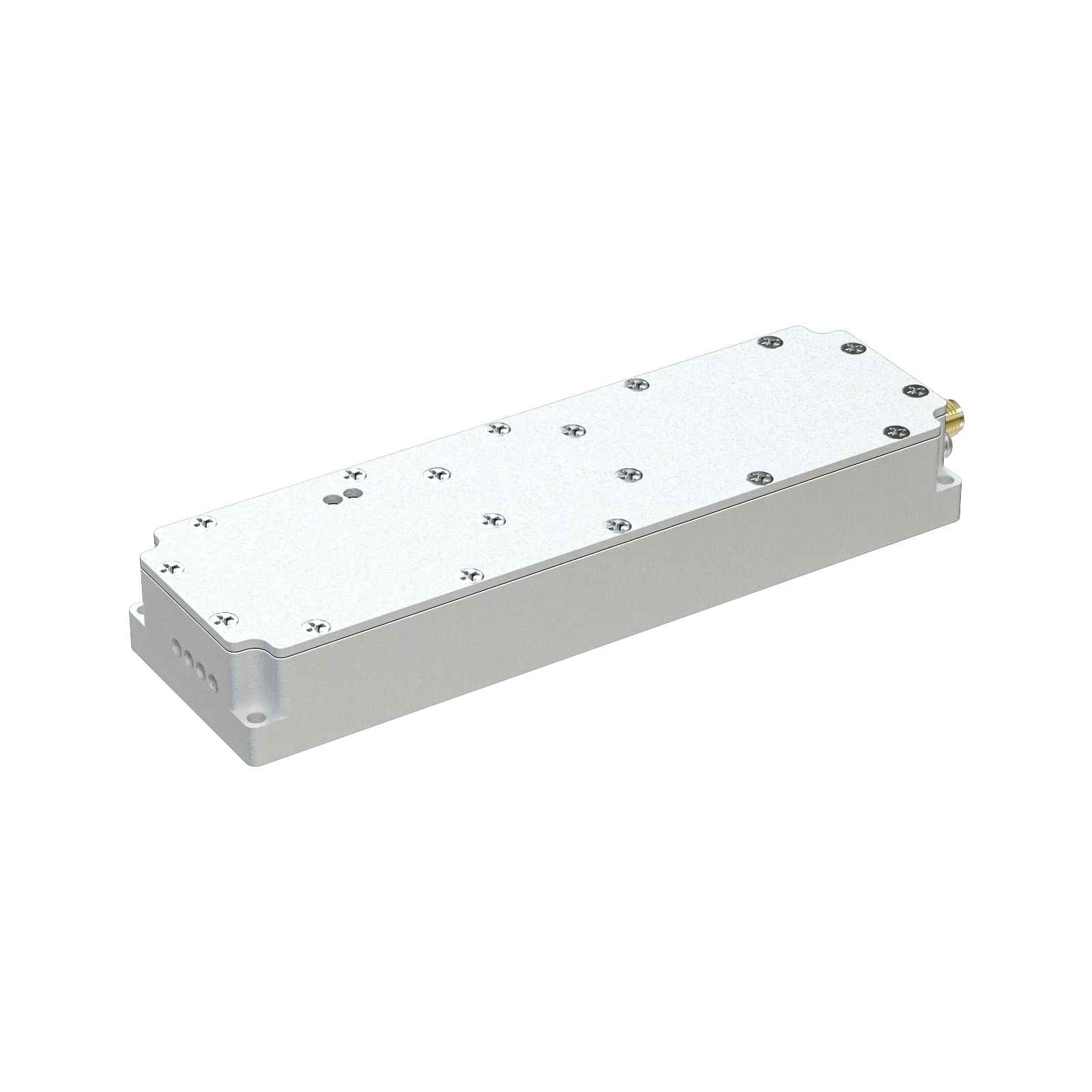
High-Performance cyrf6936 module Solutions for Indonesia

Empowering Indonesian industrial connectivity with professional-grade wireless communication equipment and precision RF engineering.

High-Performance cyrf6936 module Solutions for Indonesia

Comprehensive RF wireless connectivity suites designed to withstand the unique environmental challenges of the Indonesian archipelago, ensuring stable data transmission for industrial and commercial applications.

RF Communication Landscape in Indonesia

Analyzing the challenges of wireless deployment in a tropical archipelagic nation.

Indonesia's geography, characterized by thousands of islands and dense tropical rainforests, creates significant signal attenuation and multipath interference. In this environment, the demand for a robust cellular transceiver module has surged to bridge the gap between remote plantation sites and urban control centers.

The high humidity and extreme precipitation levels in Jakarta and Sumatra frequently degrade the performance of standard wireless hardware. This has led local engineers to seek specialized oem rf module designs that offer enhanced shielding and thermal stability to prevent frequency drift in tropical heat.

Economically, the rapid growth of "Industry 4.0" initiatives in Indonesian manufacturing hubs has accelerated the adoption of low-power wide-area networks. There is a growing trend toward integrating a cc1120 module for short-to-medium range industrial telemetry where reliability is prioritized over high throughput.
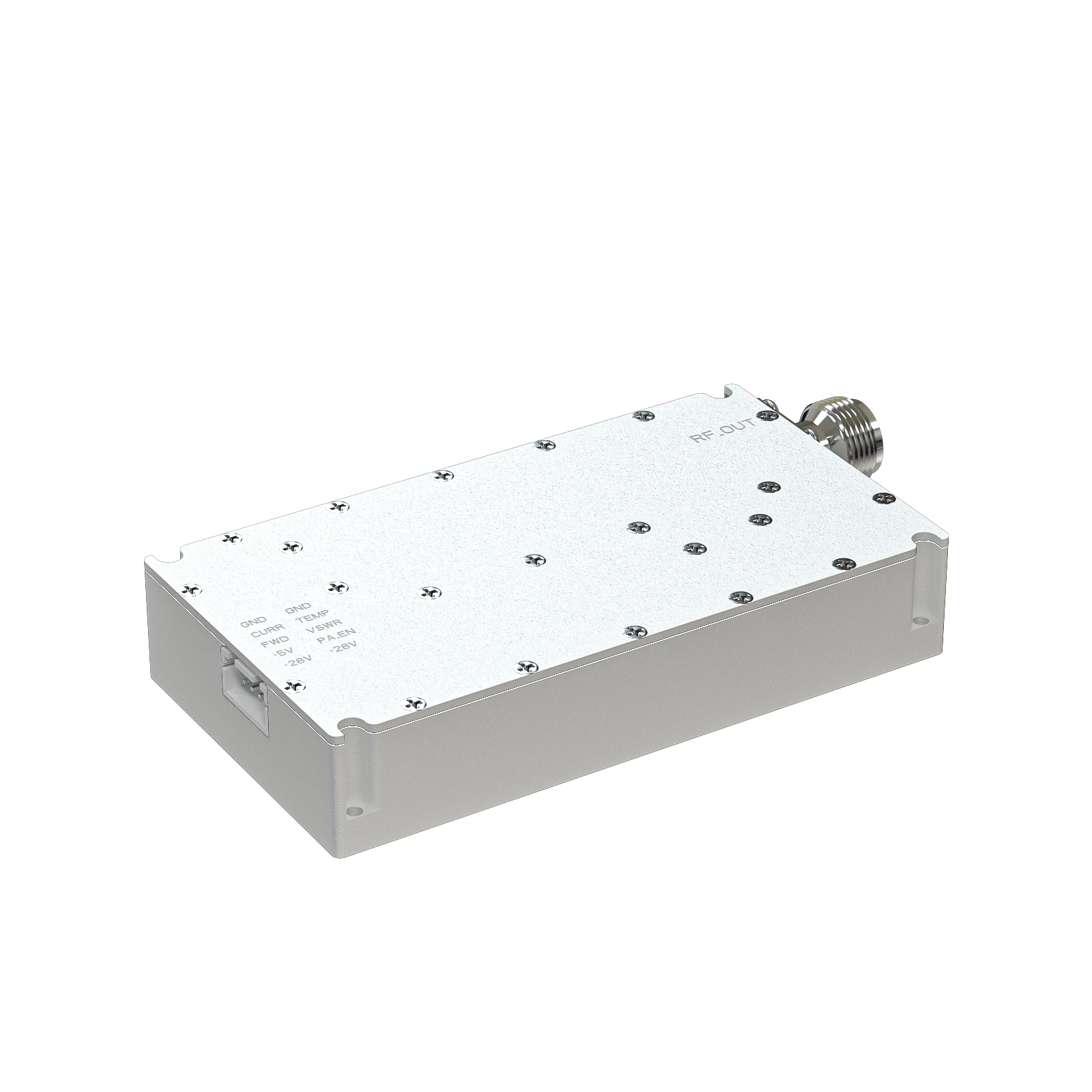
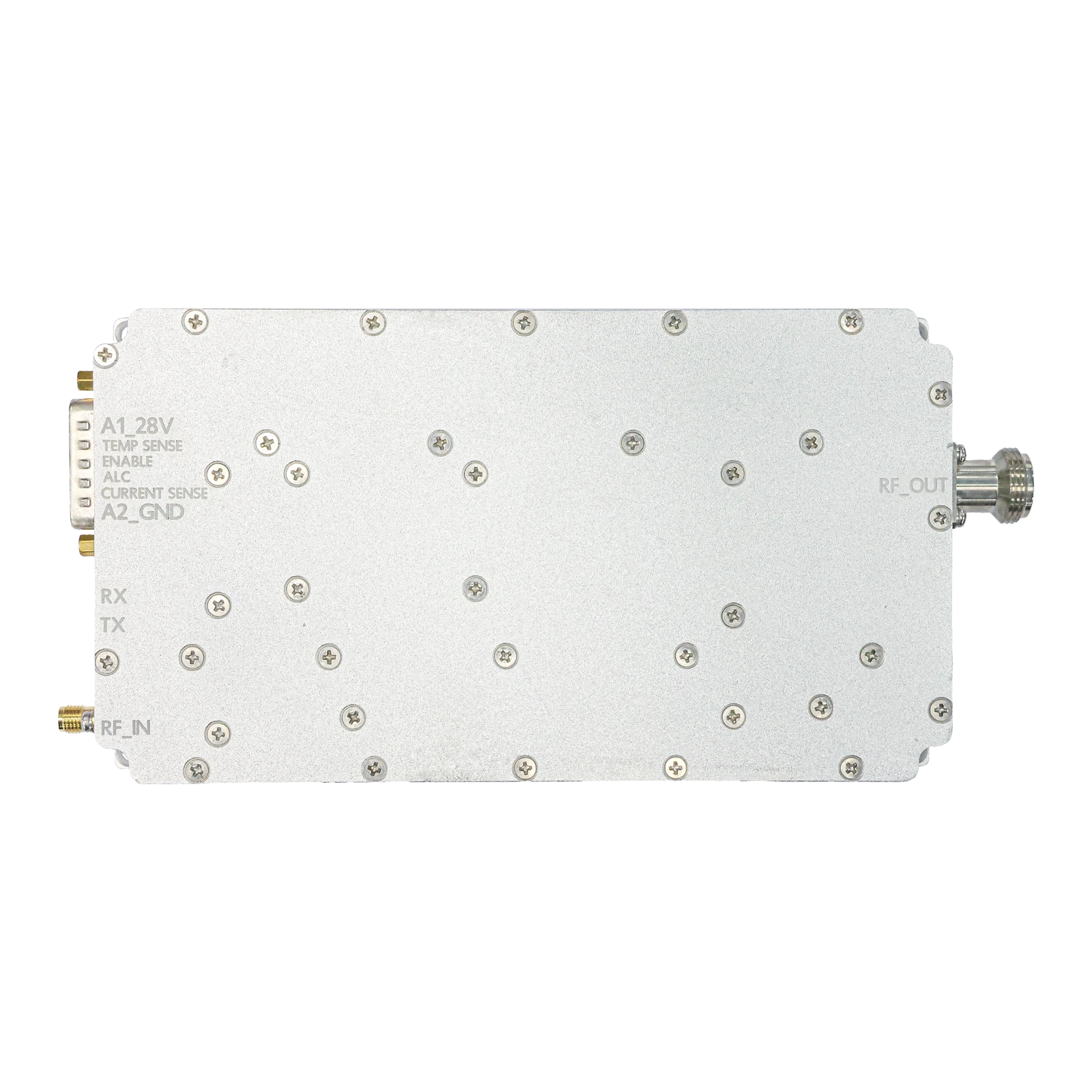
Evolution of Wireless Transceivers in Southeast Asia

From basic analog signals to intelligent software-defined RF systems.

Market Development History

From 2000 to 2010, the Indonesian RF market relied heavily on fixed-frequency analog modules. Connectivity was limited, and the focus was primarily on simple point-to-point communication for basic security systems.

Between 2011 and 2018, the shift toward digital modulation began. The introduction of the diy rf module culture among Indonesian tech enthusiasts and universities fostered a wave of local innovation in IoT and smart-agriculture prototyping.

Since 2019, the market has matured into high-integration phases. We have seen a transition toward multi-band capabilities and adaptive frequency hopping, where professional modules now support complex encryption and mesh networking to cover vast palm oil estates.

Future Development Trends

Ultra-Low Power Integration

Integration of energy harvesting with RF modules to eliminate battery replacements in remote Indonesian monitoring stations.

AI-Driven Spectrum Management

Using machine learning to dynamically switch frequencies to avoid interference in crowded urban centers like Surabaya.

Satellite-RF Hybridity

Blending local RF transceivers with LEO satellite gateways to ensure 100% coverage across the outermost islands.

Strategic Outlook for Wireless RF Technology

Projecting the trajectory of information transmission and electronic equipment manufacturing.

Edge Computing Integration
Processing RF data locally on the module to reduce latency in time-critical Indonesian industrial automation.
Enhanced IP67 Ruggedization
Developing enclosures specifically for the Indonesian climate to prevent oxidation and moisture ingress.
LPWAN Optimization
Optimizing Sub-GHz protocols to increase penetration through dense foliage in Borneo and Papua.
Software-Defined Radio (SDR)
Transitioning from fixed-hardware to flexible software-configurable RF modules for multi-industry use.

Industry Outlook

The next 3-5 years will see a convergence of cellular and proprietary RF protocols. In Indonesia, we expect a massive shift toward hybrid gateways that combine the range of Sub-GHz modules with the cloud-connectivity of LTE-M and NB-IoT.

Google search trends indicate a rising interest in "low-cost industrial wireless" and "remote sensor networks" within Southeast Asia, suggesting that the market is moving from experimental prototypes to large-scale commercial deployments.

Local Application Scenarios in Indonesia

Real-world implementations of wireless communication equipment in the Indonesian market.

1. Palm Oil Plantation Telemetry

Deploying high-gain RF modules to monitor soil moisture and weather conditions across vast estates in Kalimantan, utilizing mesh networking to relay data to the main office.

2. Smart Mining Safety Systems

Implementing ruggedized wireless transceivers for real-time personnel tracking and gas leak detection in deep-pit mines in Papua.

3. Urban Traffic Management in Jakarta

Using low-latency RF links to synchronize smart traffic lights and monitor congestion levels in high-density urban corridors.

4. Maritime Asset Tracking

Integrating cellular and RF hybrid modules for monitoring small-scale fishing fleets across the Java Sea to improve safety and catch reporting.

5. Remote Healthcare Connectivity

Establishing wireless data links for rural clinics in East Nusa Tenggara to transmit patient vitals to central hospitals in provincial capitals.

Brand Story

Global Development History of Shenzhen Jiajin Communication Co., Ltd.

Foundation and Vision

Started with a mission to solve the instability of long-distance wireless transmission in complex industrial environments.

Technical Breakthroughs

Developed proprietary noise-reduction algorithms that significantly improved the signal-to-noise ratio for industrial RF modules.

Global Market Expansion

Expanded operations into Southeast Asia, specifically tailoring products for the humid and tropical climates of Indonesia.

Certification and Standards

Achieved international quality certifications, ensuring our modules meet the strictest electromagnetic compatibility standards.

The Future of Connectivity

Currently leading the transition toward integrated IoT ecosystems that combine RF precision with cloud intelligence.

Complete RF Product Portfolio for Indonesia

A curated selection of wireless components designed for reliability in tropical industrial settings.

Frequently Asked Questions - Indonesia RF Market

Expert answers to common technical queries regarding wireless module deployment.

How does humidity affect the performance of a cc1120 module in Indonesia?

High humidity can cause impedance mismatches and physical corrosion. We recommend using our conformal-coated versions to ensure signal stability.

Which cellular transceiver module is best for remote Sumatran rainforests?

For dense foliage, modules supporting Sub-GHz bands combined with LTE-M offer the best penetration and range for remote telemetry.

Can I use a diy rf module for commercial industrial applications?

While DIY modules are great for prototyping, we strongly recommend switching to an OEM version for commercial deployment to ensure regulatory compliance and durability.

What are the advantages of a cyrf6936 module for smart city projects?

The cyrf6936 offers exceptional low-power consumption and flexible modulation, making it ideal for battery-powered sensors in urban environments.

How do I customize an oem rf module for specific Indonesian frequency bands?

Our engineering team provides custom firmware and hardware tuning to match the local spectrum regulations defined by the Indonesian government.

What is the typical range of these modules in dense urban Jakarta?

Depending on the antenna and frequency, ranges vary from 500m in high-density areas to several kilometers in open spaces using optimized RF paths.

Ready to Optimize Your Connectivity?

Contact our expert RF engineers today for tailored wireless solutions specifically designed for the Indonesia market.

Contact Us Now

If you are interested in our products, you can choose to leave your information here, and we will be in touch with you shortly.


en_USEnglish