

How A Radio Signal Detector Ensures Conference Room Privacy
In today’s hyper-connected world, conference room privacy has become a critical concern for professionals and corporations. With the increasing sophistication of eavesdropping technologies, sensitive discussions about mergers, product launches, or financial strategies are vulnerable to interception. A remote frequency detector addresses this threat by scanning for unauthorized radio frequency (RF) signals that could indicate hidden bugs, wireless microphones, or other surveillance devices. Unlike traditional security measures, this tool operates discreetly, allowing users to identify and neutralize risks without disrupting meetings.
The modern workplace relies heavily on wireless technology, from Wi-Fi routers to Bluetooth devices. However, this convenience also creates opportunities for malicious actors to exploit vulnerabilities. A radio frequency sniffer acts as a digital sentinel, differentiating between legitimate signals and suspicious activity. For instance, it can detect unusual frequencies that deviate from standard office equipment patterns. By integrating such a device into routine security protocols, businesses demonstrate proactive commitment to confidentiality, fostering trust among clients and stakeholders.
How a Radio Frequency Detection Device Works to Protect Sensitive Conversations
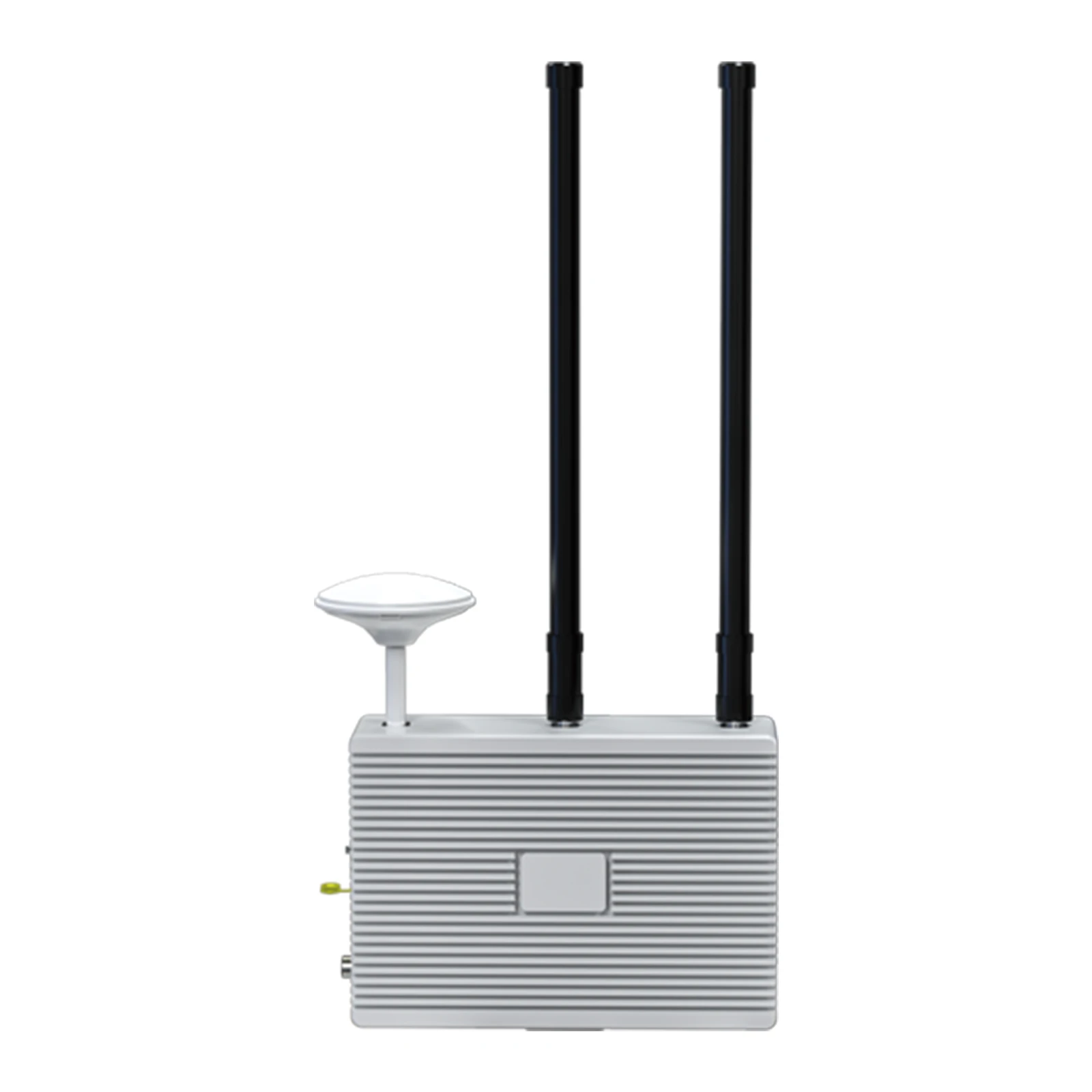
A radio frequency detection device operates by scanning the electromagnetic spectrum within a defined range. When activated, it identifies active RF signals, including those emitted by covert listening devices. Advanced models feature real-time alerts, notifying users through visual or auditory cues when anomalies are detected. This immediacy is crucial in high-stakes environments where even a brief delay could compromise sensitive information.
The process begins with calibrating the device to the conference room’s baseline RF environment. Once calibrated, the radio frequency sniffer continuously monitors for deviations, such as sudden spikes in signal strength or unfamiliar frequency bands. For example, a hidden camera transmitting data via 2.4 GHz Wi-Fi would stand out against typical office network traffic. By isolating these irregularities, the device empowers users to locate and disable threats before critical discussions begin.
Practical Scenarios Where Detecting RF Signals Prevents Corporate Espionage
The ability to detect RF signals is invaluable in scenarios where confidentiality is non-negotiable. Consider a multinational corporation negotiating a cross-border partnership. Hostile competitors might plant miniature recording devices in the meeting room to gain insider knowledge. A remote frequency detector deployed before the meeting would identify such devices, ensuring negotiations proceed without leaks.
Similarly, legal firms handling high-profile cases benefit from routine RF sweeps. Wireless microphones disguised as everyday objects—a pen or a USB charger—could capture attorney-client privileged conversations. By incorporating a radio frequency detection device into their security checklist, firms mitigate legal and reputational risks. Even routine internal meetings, such as board discussions about layoffs or restructuring, require protection against internal leaks facilitated by pocket-sized transmitters.
Advantages of Integrating a Radio Frequency Sniffer into Corporate Security Protocols
Adopting a radio frequency sniffer transcends mere compliance with privacy regulations; it elevates an organization’s security posture. First, it offers peace of mind, allowing teams to focus on content rather than potential breaches. Second, it reduces reliance on external security audits, which are costly and time-consuming. With an in-house device, companies conduct sweeps on demand, adapting to dynamic threats.
Moreover, the presence of such technology signals to employees and clients that confidentiality is prioritized. For example, a tech startup pitching to investors can emphasize its use of a radio frequency detection device as part of its due diligence, enhancing credibility. Over time, regular use of the tool cultivates a culture of vigilance, discouraging insider threats and reinforcing ethical standards.
Radio Signal Detector for Conference Room Privacy FAQs
How does a remote frequency detector differ from standard antivirus software?
While antivirus software protects against digital threats like malware, a remote frequency detector addresses physical risks by identifying unauthorized RF emissions. It safeguards against hardware-based eavesdropping devices that traditional cybersecurity tools cannot detect.
Can a radio frequency detection device disrupt office Wi-Fi or Bluetooth devices?
No. These devices operate in passive monitoring mode, meaning they do not interfere with legitimate signals. They simply analyze the RF environment without transmitting data.
Is training required to use a radio frequency detection device effectively?
Most modern devices are designed for intuitive operation. Basic training—such as understanding alert types and calibration steps—ensures optimal performance but is not overly technical.
How often should businesses detect RF signals in their conference rooms?
Frequency depends on risk exposure. High-security environments may require daily checks, while others might opt for weekly or pre-meeting sweeps. Consistency is key.
Can a small business benefit from a radio frequency detection device?
Absolutely. Even small-scale enterprises handle sensitive data, making them targets. Affordable, compact models cater to budget-conscious users without compromising core functionality.
Ensure your conference rooms remain secure with our industry-leading radio frequency detection devices. Visit our website to explore our range of reliable, user-friendly solutions tailored for corporate confidentiality.

-
 09 March 2021 16 Apr 2026
 -
 09 March 2021 09 Apr 2026
 -
 09 March 2021 07 Apr 2026
 -
 09 March 2021 04 Apr 2026
 -
 09 March 2021 31 Mar 2026
-
 09 March 2021 21 May 2025
 -
 09 March 2021 25 Dec 2024
 -
 09 March 2021 14 Oct 2022
-
 09 March 2021 25 Dec 2024

 English
  Arabic
  Belarusian
  Danish
  Dutch
Dutch  French
  German
  Greek
Greek  Japanese
  Korean
  Myanmar
  Polish
  Portuguese
  Russian
  Spanish
  Swedish
  Thai
Thai  Ukrainian
  Vietnamese