

Why Every Modern Security System Needs A Radio Signal Detector
In an era where wireless communication dominates, safeguarding physical and digital spaces demands more than traditional cameras and alarms. The invisible threat of unauthorized radio frequency (RF) transmissions—from covert listening devices to disruptive interference—poses a significant risk to homes, offices, and critical infrastructure. Integrating a radio signal detector into security frameworks is no longer optional; it’s a necessity. This article explores how advanced RF detection tools, such as a specialized RF detector or RF interference detector, fortify security systems by addressing vulnerabilities that conventional methods overlook.
Detecting Hidden Threats with a Specialized RF Detector
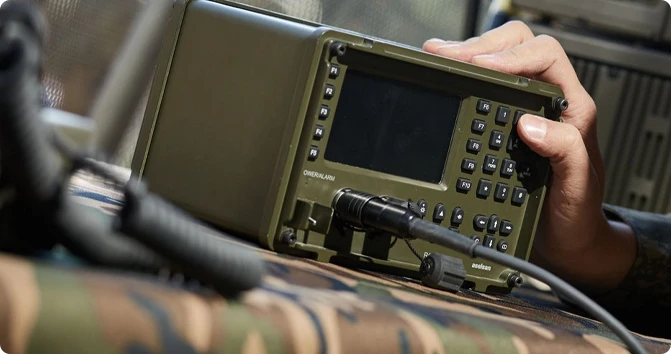
A specialized RF detector serves as the first line of defense against covert surveillance. Modern eavesdropping devices, such as bugs or miniature cameras, often rely on wireless signals to transmit data. These devices can be hidden in everyday objects—wall sockets, picture frames, or even USB chargers—making them nearly undetectable without proper equipment. A high-quality RF detection device scans the environment for anomalous radio frequencies, identifying unauthorized transmissions in real time. For instance, in corporate settings, confidential boardroom discussions or proprietary research could be leaked via undetected bugs. By deploying a radio signal detector, security teams can sweep rooms before sensitive meetings, ensuring no hidden devices compromise privacy.
Beyond espionage, these tools are vital for personal security. Imagine a homeowner discovering a rogue Wi-Fi camera planted by an intruder or a stalker using a Bluetooth tracker to monitor movements. A specialized RF detector empowers individuals to reclaim their privacy by locating and neutralizing such threats. Its ability to differentiate between legitimate signals (like Wi-Fi routers) and suspicious activity reduces false alarms, providing actionable insights rather than overwhelming users with data.
Mitigating Risks Through RF Interference Detector Analysis
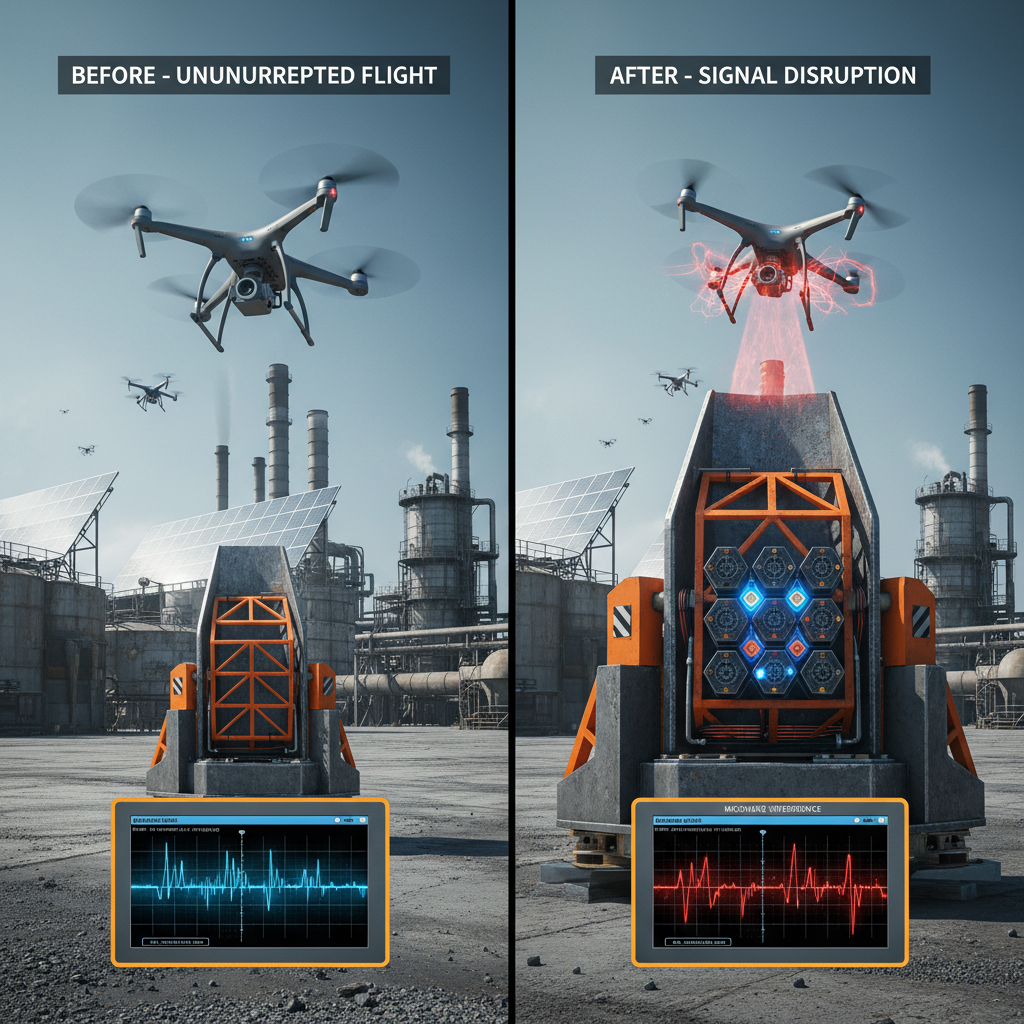
Radio frequency interference isn’t just a technical nuisance—it can cripple security systems. Many modern alarms, smart locks, and surveillance cameras depend on stable wireless connections. Malicious actors might deploy jammers to disrupt these signals, creating blind spots for unauthorized access. An RF interference detector identifies such disruptions, enabling swift countermeasures. For example, in a warehouse protected by motion-sensor alarms, interference could disable alerts, allowing thieves to bypass detection. By integrating an RF detection device, facility managers can pinpoint the source of jamming and reinforce vulnerable frequencies.
Interference isn’t always intentional. Everyday electronics like microwaves, cordless phones, or poorly shielded wiring can inadvertently generate noise that destabilizes security networks. A radio signal detector helps diagnose these issues, distinguishing between accidental interference and deliberate attacks. This capability is particularly critical for industries reliant on IoT devices, where system downtime could lead to operational paralysis or safety hazards.
Sensitive data isn’t just stored on servers—it’s transmitted wirelessly. Hackers can intercept poorly encrypted signals from keyboards, printers, or even smartphone screens to steal passwords or confidential documents. A specialized RF detector identifies these leaks, revealing vulnerabilities in a network’s electromagnetic footprint. For financial institutions or government agencies, this adds a layer of protection against “van Eck phreaking,” a technique where attackers reconstruct data from radio emissions.
Moreover, businesses handling classified information often operate in “Tempest”-rated zones designed to block electromagnetic leaks. A radio signal detector verifies the integrity of these shielded environments, ensuring no residual emissions escape. This proactive approach aligns with global data protection regulations, mitigating legal and reputational risks.
Future-Proofing Security with Scalable RF Detection Device Solutions
As wireless technology evolves, so do threats. The rise of 5G networks and IoT ecosystems expands the attack surface for cyber-physical systems. A scalable RF detection device adapts to emerging frequencies and modulation techniques, offering long-term value. For instance, smart cities deploying connected traffic lights or energy grids require robust RF monitoring to prevent large-scale sabotage.
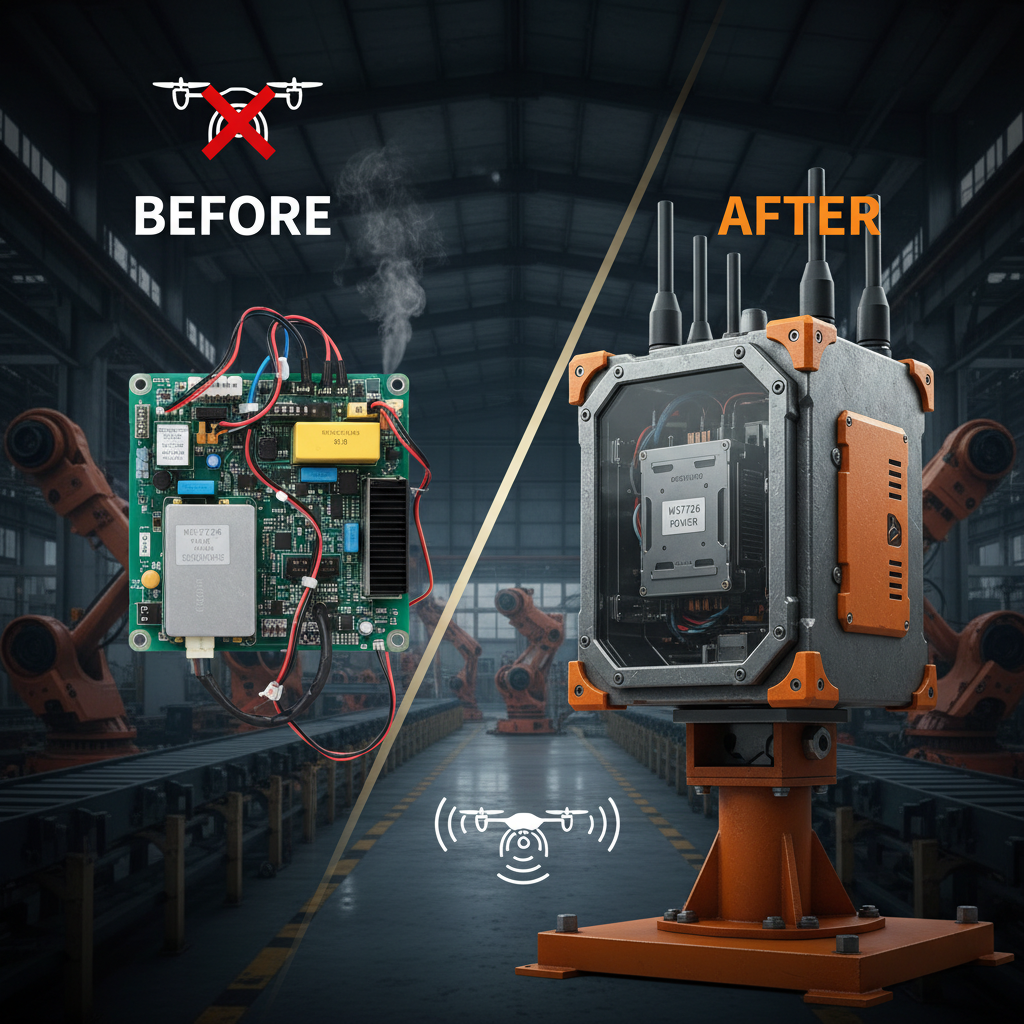
Integrating an RF interference detector into existing security infrastructure is cost-effective. Many models offer modular designs, compatible with legacy systems, and require minimal training to operate. For small businesses or households, user-friendly interfaces simplify threat detection, democratizing access to enterprise-grade security.
Radio Signal Detector FAQs
How does a radio signal detector protect my home from spies?
A radio signal detector scans for unauthorized transmissions, such as hidden cameras or listening devices. By alerting you to unusual RF activity, it ensures your private conversations remain confidential.
Can a specialized RF detector differentiate between harmless and dangerous signals?
Yes. Advanced models analyze signal patterns, distinguishing between common household devices (like Wi-Fi) and potential threats, reducing unnecessary alerts.
Why is an RF interference detector important for businesses?
It identifies intentional jamming or accidental interference that could disable security systems, ensuring uninterrupted operation of alarms and surveillance networks.
Are RF detection devices difficult to install?
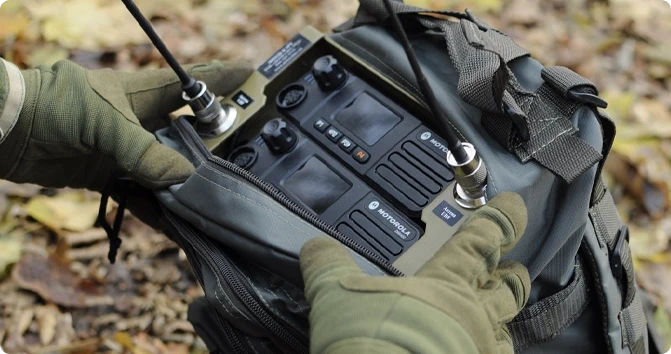
Most modern detectors are plug-and-play, requiring no technical expertise. Portable models offer flexibility for quick sweeps of rooms or vehicles.
How often should I use a radio signal detector?
Regular sweeps are recommended, especially before confidential meetings or after noticing suspicious activity. For high-risk environments, continuous monitoring is ideal.
In a world where invisible threats loom, equipping your security system with a radio signal detector is a proactive step toward comprehensive protection. Explore our range of reliable, user-friendly RF detection devices tailored for homes and businesses. Visit our Website today to safeguard your space with cutting-edge technology.

-
 09 March 2021 16 Apr 2026
 -
 09 March 2021 09 Apr 2026
 -
 09 March 2021 07 Apr 2026
 -
 09 March 2021 04 Apr 2026
 -
 09 March 2021 31 Mar 2026
-
 09 March 2021 21 May 2025
 -
 09 March 2021 25 Dec 2024
 -
 09 March 2021 14 Oct 2022
-
 09 March 2021 25 Dec 2024

 English
  Arabic
  Belarusian
  Danish
  Dutch
Dutch  French
  German
  Greek
Greek  Japanese
  Korean
  Myanmar
  Polish
  Portuguese
  Russian
  Spanish
  Swedish
  Thai
Thai  Ukrainian
  Vietnamese