

Radio Frequency Detectors In The Railway Industry
In the rapidly advancing world of transportation, railway systems play a vital role in maintaining connectivity and ensuring efficient logistics across regions. One of the critical factors contributing to the smooth operation of railways is the seamless communication between various components of the system. This is where radio frequency detectors become essential. These devices are increasingly used to maintain the safety, reliability, and efficiency of railway operations by ensuring the proper functioning of communication systems, detecting electromagnetic interference, and improving overall system performance. From simple RF detectors to wireless frequency detectors, these devices play a crucial role in ensuring that trains and track systems work without disruption. Let’s explore how portable RF detectors and RF broadcast detectors are revolutionizing the railway industry.
Ensuring Seamless Communication with Radio Frequency Detectors
In modern railway systems, communication between trains and control centers is paramount for the safety and efficiency of operations. Trains rely on wireless communication to transmit important data such as speed, location, and signal status, all of which are vital for ensuring the proper functioning of the system. Radio frequency detectors are used to monitor and verify these communication channels, ensuring that all transmissions are clear and uninterrupted.
With the increase in wireless technology in trains, electromagnetic interference (EMI) from surrounding environments or other electronic devices can sometimes disrupt communication signals. A simple RF detector is used to check whether there is any interference on the frequency used by train communication systems. For instance, if a wireless frequency detector detects unwanted signals or interruptions, engineers can immediately troubleshoot and resolve the issue, preventing potential communication failures that could lead to delays or safety hazards.
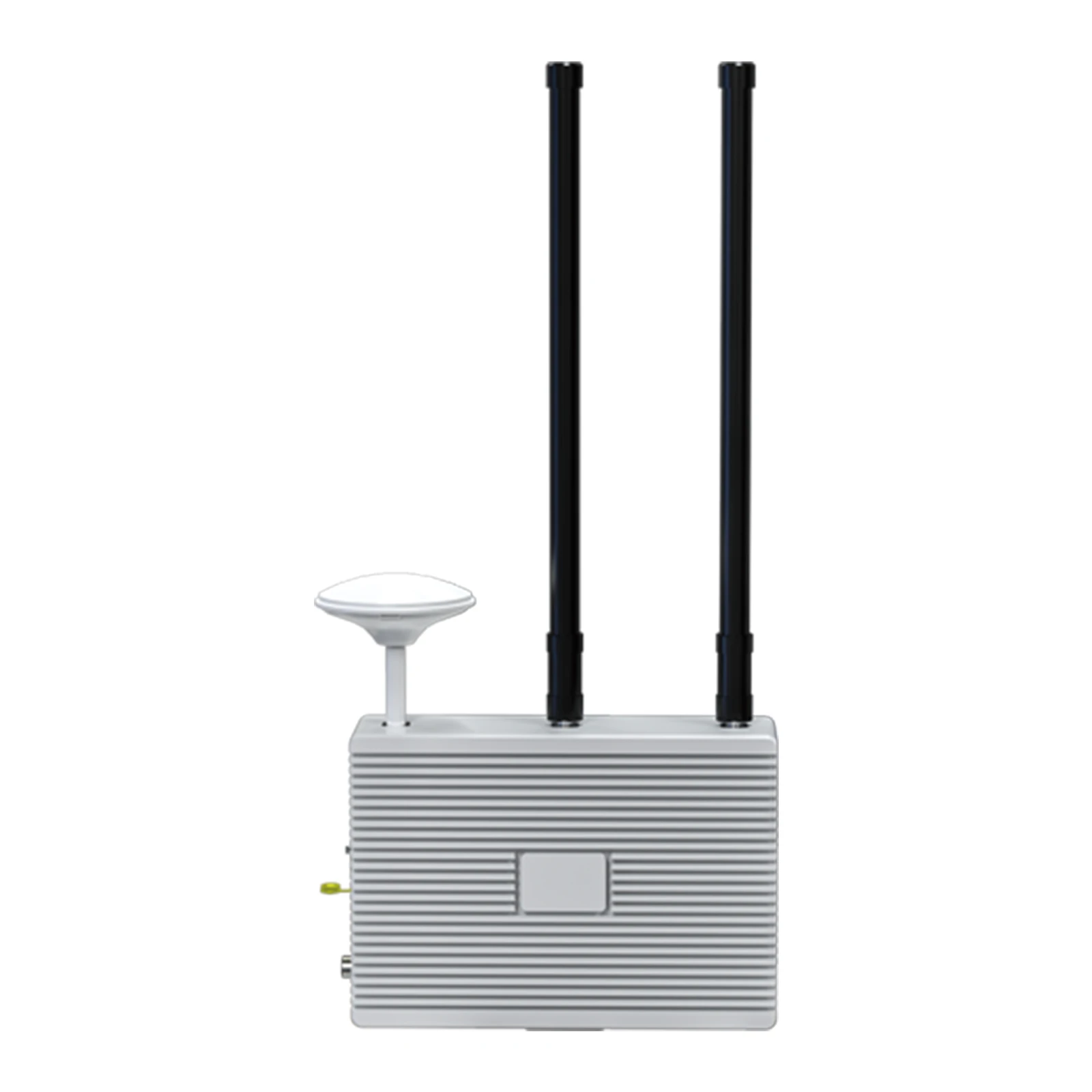
In addition, portable RF detectors are useful for ensuring continuous monitoring of wireless communications. These portable devices can be used on-site, such as at train stations, or during on-the-go testing within the trains, offering a quick and reliable way to check for any communication disruptions. By having these RF broadcast detectors readily available, railway operators can ensure that the system remains operational, minimizing the chances of communication-related accidents or inefficiencies.
Another significant application of radio frequency detectors in the railway industry is the detection of electromagnetic interference (EMI) on railway tracks. EMI can occur when external radio frequency signals interfere with the electromagnetic signals used by railway systems, such as signaling systems or safety equipment. This interference can cause communication failures, incorrect signaling, and, in the worst case, accidents.
Radio frequency detectors are employed to detect and measure the strength of electromagnetic interference in railway environments, which are prone to interference due to the high amount of electrical equipment in use. A simple RF detector can be strategically placed along the tracks to measure the RF levels and ensure that the signals being transmitted by trackside signaling equipment are not disrupted. If an RF broadcast detector detects irregularities in the expected signal strength, engineers can investigate the cause of the disturbance and take corrective actions, such as adjusting the placement of equipment, improving shielding, or rerouting cables.
The ability to quickly identify sources of EMI and address them before they impact railway operations ensures a safer and more reliable transportation system. Portable RF detectors are especially useful for this purpose because they can be easily moved around the tracks, allowing technicians to perform real-time diagnostics wherever and whenever needed. This proactive approach helps prevent delays, accidents, or miscommunication on the tracks, significantly enhancing railway safety.
Optimizing Safety Features with RF Broadcast Detectors
Safety is the most critical concern in the railway industry, and one of the ways radio frequency detectors improve safety is by ensuring that all safety features work as intended. Many railway safety systems rely on wireless signals for alerts, monitoring, and communication. For example, train collision avoidance systems, automatic train control (ATC), and track warning systems all depend on reliable wireless communication to transmit critical safety signals. A malfunction in any of these systems could lead to disastrous consequences.
To avoid such risks, RF broadcast detectors are used to monitor the frequencies used by these safety systems. Wireless frequency detectors are set up to detect weak signals, interference, or equipment malfunctions. For instance, when a train is approaching a signal, the wireless frequency detector ensures that the signal is received by the train's communication system without any distortion. If there is a failure in signal transmission, the RF broadcast detector alerts operators to take corrective actions, preventing possible accidents or delays.
By constantly monitoring the wireless communication systems that power railway safety features, radio frequency detectors ensure that these safety measures are always functioning at their best. The real-time detection of issues, coupled with rapid responses, makes the railway network safer for both passengers and cargo, ensuring smooth operations across the entire network.
Radio Frequency Detectors Efficiency in Train Operations and Maintenance
The railway industry also benefits from radio frequency detectors in optimizing train operations and maintenance. Efficient train operations are essential for minimizing delays, improving energy efficiency, and ensuring that schedules are met. However, this efficiency depends on the reliability of the systems controlling the trains, which include complex signaling systems, automated train control, and remote monitoring tools.
A wireless frequency detector is used to ensure that these systems are communicating effectively. In instances where RF signals are weak or disrupted, the issue can be quickly diagnosed and addressed before it causes delays or system failure. Portable RF detectors provide an additional level of flexibility by allowing maintenance personnel to conduct on-the-spot diagnostics, making it easier to identify areas that require attention.
Moreover, radio frequency detectors help identify potential weaknesses in the system that could impact long-term performance. For example, a simple RF detector could be used to identify areas with lower signal strength or poor coverage, which could be improved to ensure better system reliability. Similarly, RF broadcast detectors could assist in evaluating the impact of environmental factors, such as weather or surrounding infrastructure, on signal transmission.
The use of radio frequency detectors in train operations and maintenance ensures that the railway system operates at peak efficiency, providing reliable service to passengers while minimizing operational downtime. By staying on top of potential issues, railway operators can maintain smoother operations, reduce costs, and improve overall performance.
Radio Frequency Detectors in the Railway Industry FAQs
What is the role of a simple RF detector in the railway industry?
A simple RF detector is used in the railway industry to identify interference in wireless communication systems. It ensures that train communication signals and safety systems are operating without disruption, improving safety and efficiency.
How do wireless frequency detectors improve railway safety?
Wireless frequency detectors monitor communication signals used in train safety systems like collision avoidance and track warning systems. They ensure that these critical systems are functioning correctly and without interference, reducing the risk of accidents.
Can portable RF detectors be used for on-site testing on railway tracks?
Yes, portable RF detectors are ideal for on-site testing along railway tracks. They can detect electromagnetic interference, weak signals, and equipment malfunctions in real-time, helping railway operators quickly resolve issues before they affect operations.
How do RF broadcast detectors help prevent delays in the railway system?
RF broadcast detectors monitor the wireless communication systems between trains and trackside signaling equipment. They ensure that all signals are transmitted clearly and without interference, helping prevent delays caused by communication failures.
Where can I buy radio frequency detectors for railway operations?
You can purchase high-quality radio frequency detectors directly from our website. We offer a range of detectors designed specifically for the railway industry, helping ensure the safety, reliability, and efficiency of your railway systems.

-
 09 March 2021 16 Apr 2026
 -
 09 March 2021 09 Apr 2026
 -
 09 March 2021 07 Apr 2026
 -
 09 March 2021 04 Apr 2026
 -
 09 March 2021 31 Mar 2026
-
 09 March 2021 21 May 2025
 -
 09 March 2021 25 Dec 2024
 -
 09 March 2021 14 Oct 2022
-
 09 March 2021 25 Dec 2024

 English
  Arabic
  Belarusian
  Danish
  Dutch
Dutch  French
  German
  Greek
Greek  Japanese
  Korean
  Myanmar
  Polish
  Portuguese
  Russian
  Spanish
  Swedish
  Thai
Thai  Ukrainian
  Vietnamese