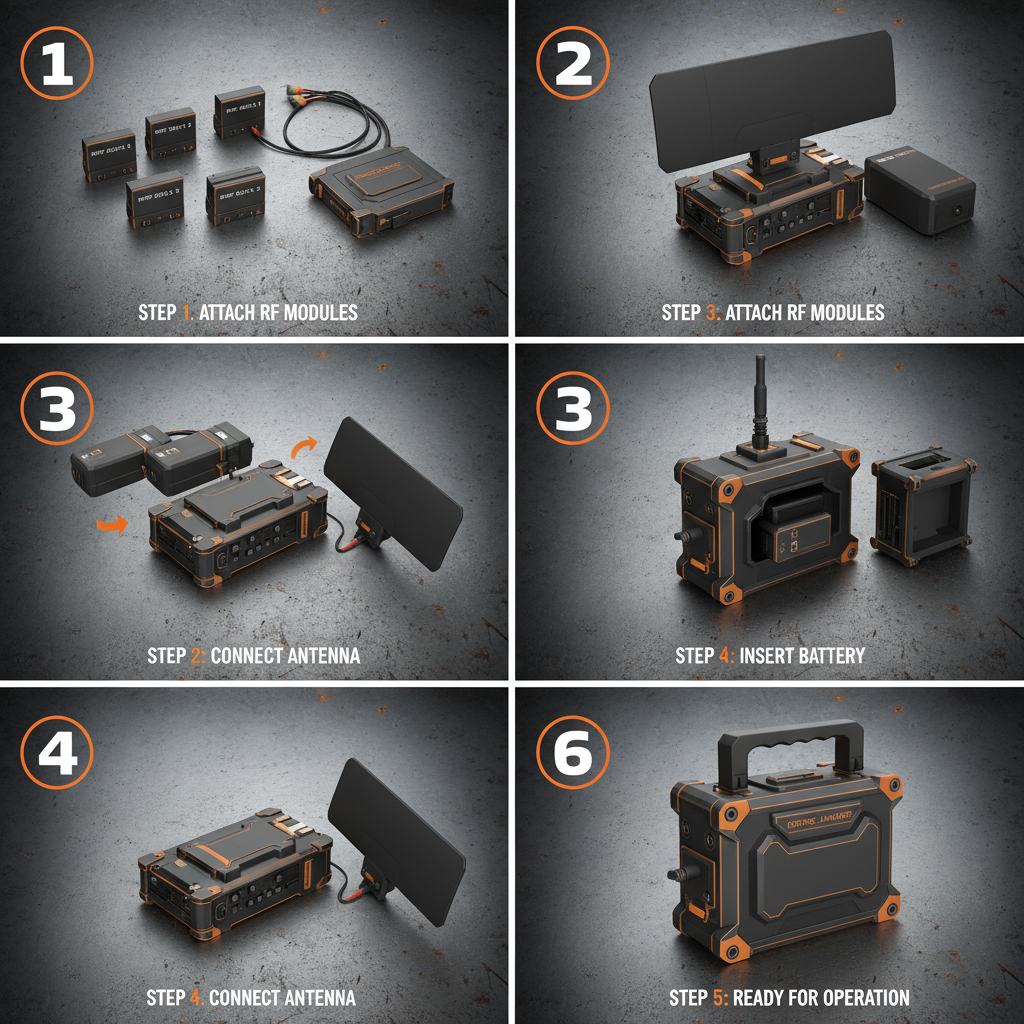
Honestly, the whole rf module china scene has been buzzing lately. Everyone's chasing smaller, more integrated solutions. Seems like every other factory I visit is trying to cram more power into less space. It's good, I guess, means progress, but it also means more headaches for us trying to figure out how to actually use the stuff on a real job site. It’s not all lab specs and fancy charts, you know? It’s dust, it’s rain, it’s guys dropping tools on things. And the demand from China, well, that’s just… relentless.
You wouldn’t believe how many companies get tripped up on the antenna design. Seriously. They think it's just a wire, slap it on, and hope for the best. Have you noticed? It’s rarely that simple. It’s about impedance matching, radiation patterns, shielding... the whole nine yards. I encountered this at a factory in Dongguan last time, they were so proud of their tiny module, but the range was terrible. Turns out the antenna was resonating with the metal casing. Classic mistake.
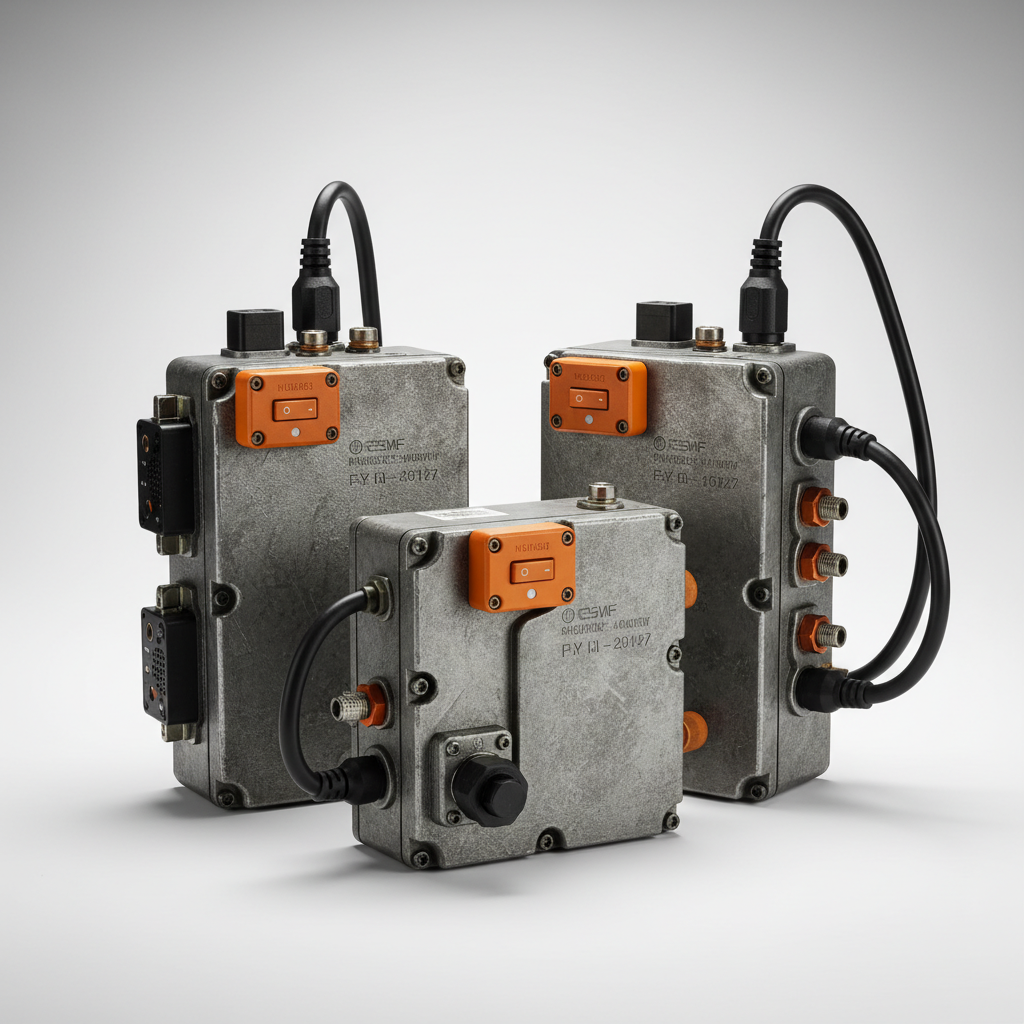
And the materials… Now, we’re seeing a lot of ceramic substrates, which are good for high frequency stuff, really stable. They feel kind of cool and smooth, almost like polished stone. But they’re brittle, really brittle. You drop one of those, it's toast. Then there's the RF connectors, mostly gold-plated brass. Smells a bit metallic when you're handling them, you can tell they’ve been treated. The quality of those connectors is critical, obviously. Cheap ones corrode quick.
The Current Landscape of rf module china
Strangely enough, the biggest driver right now isn’t just about getting things smaller. It’s about getting them…reliable. I mean, we've always needed reliable modules, but the applications are becoming more critical. Think industrial automation, remote monitoring, even medical devices. If a module fails in those scenarios, people get hurt, or production lines shut down. So there's a real push for higher MTBF (Mean Time Between Failures) and better temperature stability. And, of course, cost is always a factor. Everyone wants performance, but no one wants to pay a fortune.
The Chinese manufacturers are dominating the market, no surprise there. They can scale production faster and cheaper than anyone else. But quality control can be… variable. You really have to vet your suppliers, do your own testing. I've seen modules that pass all the initial tests, then fail miserably after a few weeks in the field.
Design Pitfalls and Common Mistakes in rf module china
I swear, half the issues I see come down to poor grounding. Seriously. People underestimate the importance of a solid ground plane. It's like building a house on sand if you don’t get that right. Then there’s impedance matching – getting the input and output impedances matched correctly is vital for maximum power transfer and minimal signal reflections. Forget about that, and your signal strength plummets.
Another thing: power supply filtering. rf module china are sensitive to noise on the power line. If you don’t have proper filtering, you’ll get all sorts of weird behavior. I once spent a week chasing a phantom issue that turned out to be caused by a noisy switching power supply.
And don’t even get me started on thermal management. These modules can generate a surprising amount of heat, especially at higher power levels. If you don’t provide adequate heat sinking, they’ll overheat and fail. It's basic stuff, but people still mess it up.
Core Materials Used in rf module china
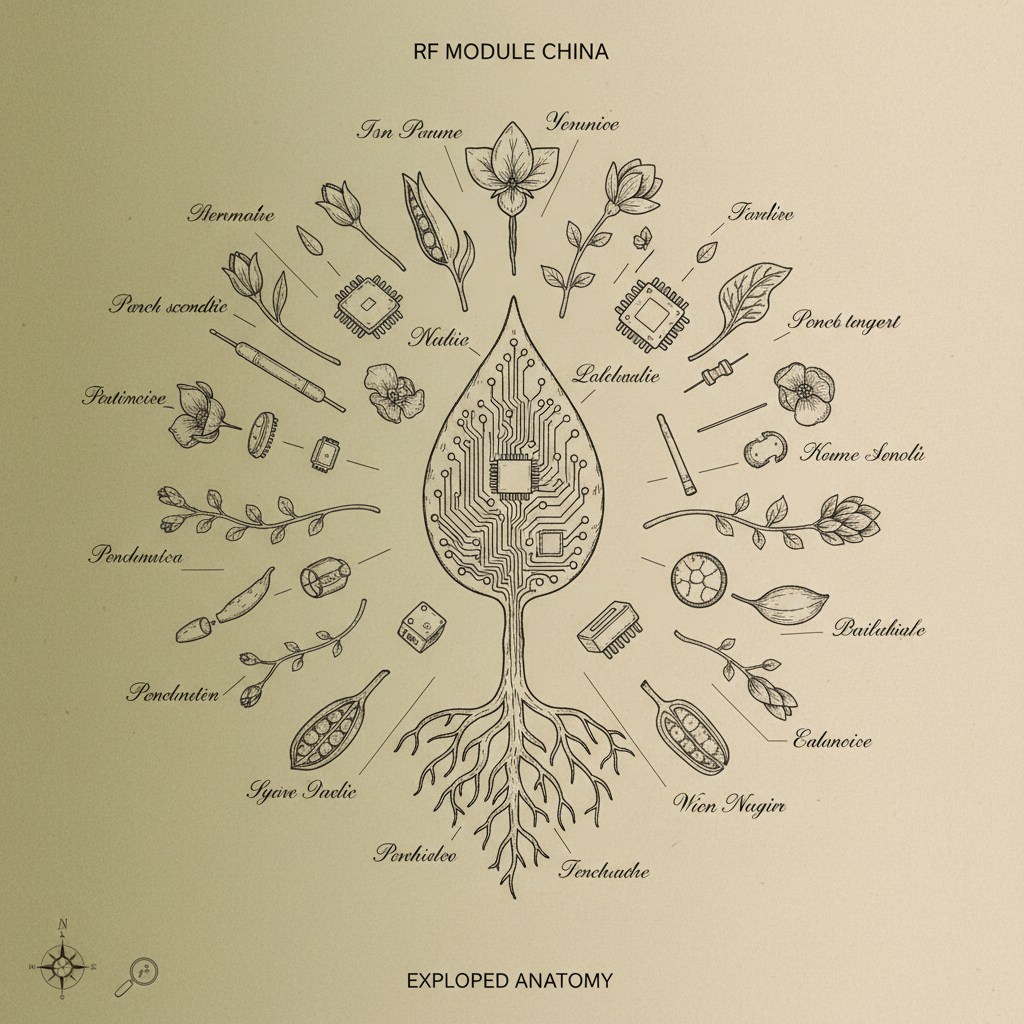
Like I said, ceramics are big for the substrates. Aluminum nitride is popular for high-power applications because of its excellent thermal conductivity. It’s expensive, though. Then you’ve got FR4, which is a cheaper option, but not as good for high frequencies. It kinda smells like…well, fiberglass. You can tell instantly when you're cutting it.
The passive components – resistors, capacitors, inductors – they’re mostly sourced from Taiwan and Japan, to be honest. The quality is just consistently better. The Chinese manufacturers are catching up, but they’re not quite there yet. And the connectors, as I mentioned, are usually brass with gold plating. The gold plating is essential for corrosion resistance and good conductivity. Cheap plating flakes off after a while.
The ICs themselves, the chips… well, that’s a mixed bag. Some are designed and manufactured in the US or Europe, but a lot of them are now coming from China. There’s a lot of reverse engineering going on, so you have to be careful about intellectual property.
Rigorous Testing of rf module china in Real-World Conditions
Forget the anechoic chambers and spectrum analyzers for a second. Those are important, sure, but they don't tell the whole story. I like to test these things in the actual environment where they'll be used. I put them in a waterproof box, bury them in dirt, leave them out in the rain… see how they hold up.
We also do drop tests, vibration tests, temperature cycling… basically, anything we can think of to try and break them. I've got a setup in the back of my truck with a vibration table. It’s not pretty, but it works. I once tested a module that claimed to be ruggedized. It lasted about five minutes on the vibration table. Turns out the solder joints were weak.
rf module china Performance Metrics
Practical Applications and User Behavior with rf module china
You know, what people say they’re going to do with these modules and what they actually do with them are often two different things. I've had customers tell me they're building a long-range wireless sensor network, and then they just end up using it to control a few LEDs.
The biggest application right now is probably IoT – Internet of Things. Smart home devices, industrial sensors, asset tracking… it’s everywhere. But I’m also seeing a lot of interest in drone control, robotics, and even agriculture. Farmers are using these modules to monitor soil conditions and control irrigation systems.
Benefits and Limitations of rf module china
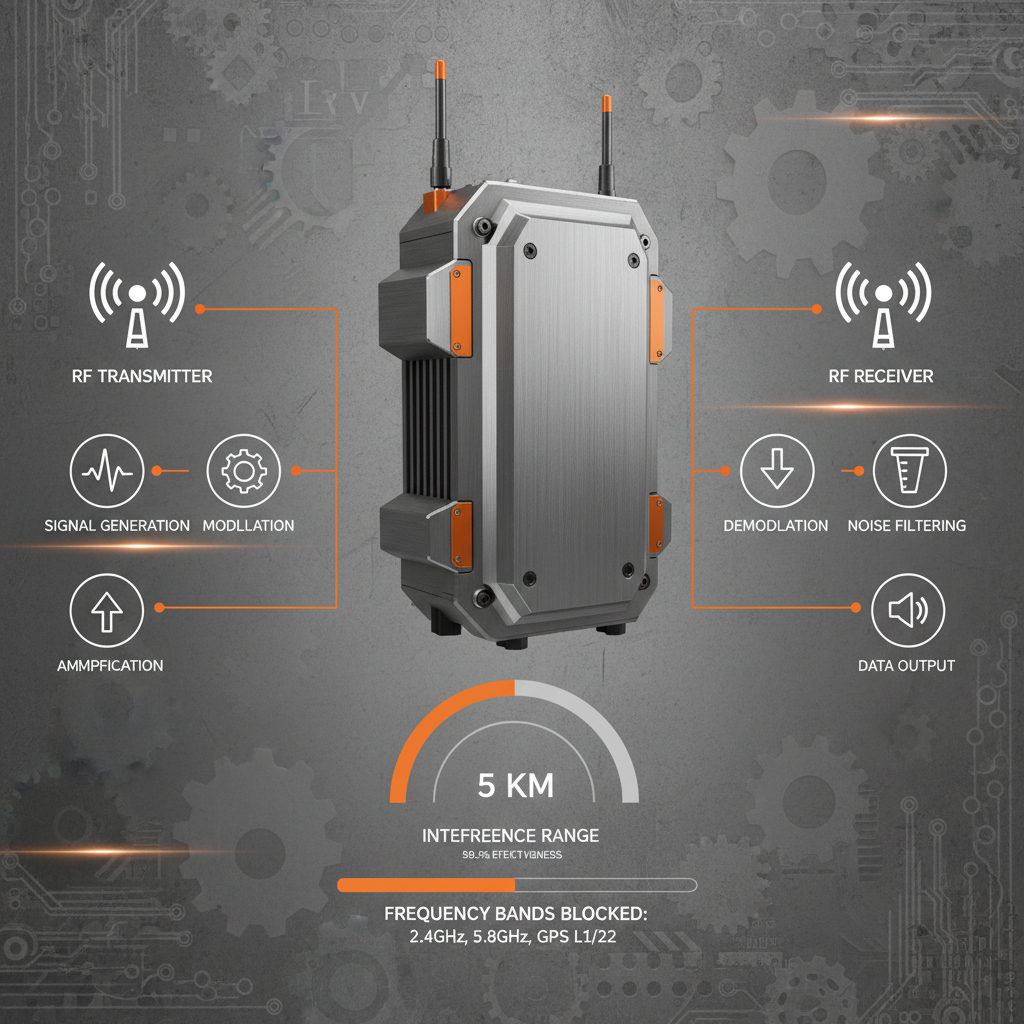
The benefits are pretty obvious: small size, low power consumption, good performance. But there are limitations. Range can be an issue, especially in urban environments with a lot of interference. Security is another concern. You need to encrypt your data and protect your modules from hacking.
And let’s be real, some of these modules are just… finicky. They work perfectly in the lab, but they're sensitive to environmental conditions and require careful setup. It takes a skilled engineer to get the most out of them.
Anyway, I think the biggest advantage is the cost. You can get a decent rf module china for a few dollars, which makes it accessible to a wider range of users.
Customization Options for rf module china
Most manufacturers will customize the antenna, the firmware, even the packaging. Last month, that small boss in Shenzhen who makes smart home devices insisted on changing the interface to , and the result was… a complete disaster. He said all his customers were using cables. Turns out, the connector added too much interference and reduced the range by half. He had to revert back to micro-USB. A costly lesson.
We’ve also done custom firmware modifications to add specific features, like support for different communication protocols or encryption algorithms. The key is to communicate your requirements clearly upfront. Don’t just order a module and expect it to do everything you want out of the box.
And they can usually adjust the transmit power and frequency range to meet your specific needs.
A Concise Table Summarizing Key Considerations for rf module china Selection
| Key Feature |
Priority Level (1-5) |
Typical Cost Range (USD) |
Potential Issues |
| Range |
5 |
2-15 |
Interference, Antenna Design |
| Power Consumption |
4 |
1-10 |
Battery Life, Heat Dissipation |
| Reliability |
5 |
5-20 |
Component Quality, Environmental Factors |
| Security |
4 |
2-10 |
Encryption, Hacking Vulnerabilities |
| Cost |
3 |
1-15 |
Trade-offs with Performance |
| Size |
3 |
1-8 |
Thermal Management, Integration |
FAQS
Honestly, it's not looking at the bigger picture. They get hung up on specs like transmit power and sensitivity, and forget about things like antenna design, power supply filtering, and environmental factors. You can have the most powerful module in the world, but if the antenna is poorly designed, it won't matter. It's all about the system, not just the component.
It's crucial. A reputable manufacturer will have better quality control, better documentation, and better support. I’ve seen too many cases where people buy from a no-name supplier, and then they’re stuck with a bunch of unreliable modules and no one to help them. It's worth paying a little extra for peace of mind.
That depends on a lot of things – the environment, the operating conditions, the quality of the components. But generally, you can expect a decent module to last for at least a few years. The key is to protect it from moisture, heat, and physical damage. And to choose a module with a good MTBF rating. I always ask for that.
You can do some basic testing with a multimeter and an oscilloscope, but you’ll need specialized equipment for more accurate measurements. You can check the voltage, current, and signal strength. But to really characterize the module, you'll need a spectrum analyzer and an anechoic chamber. Or, you know, just bury it in the dirt and see if it still works. That’s my method.
The biggest risk is eavesdropping. If your data isn’t encrypted, anyone with a receiver can listen in. You also need to protect against replay attacks and jamming. Using strong encryption algorithms and regularly updating your firmware are essential. Don’t skimp on security – it’s not worth the risk.
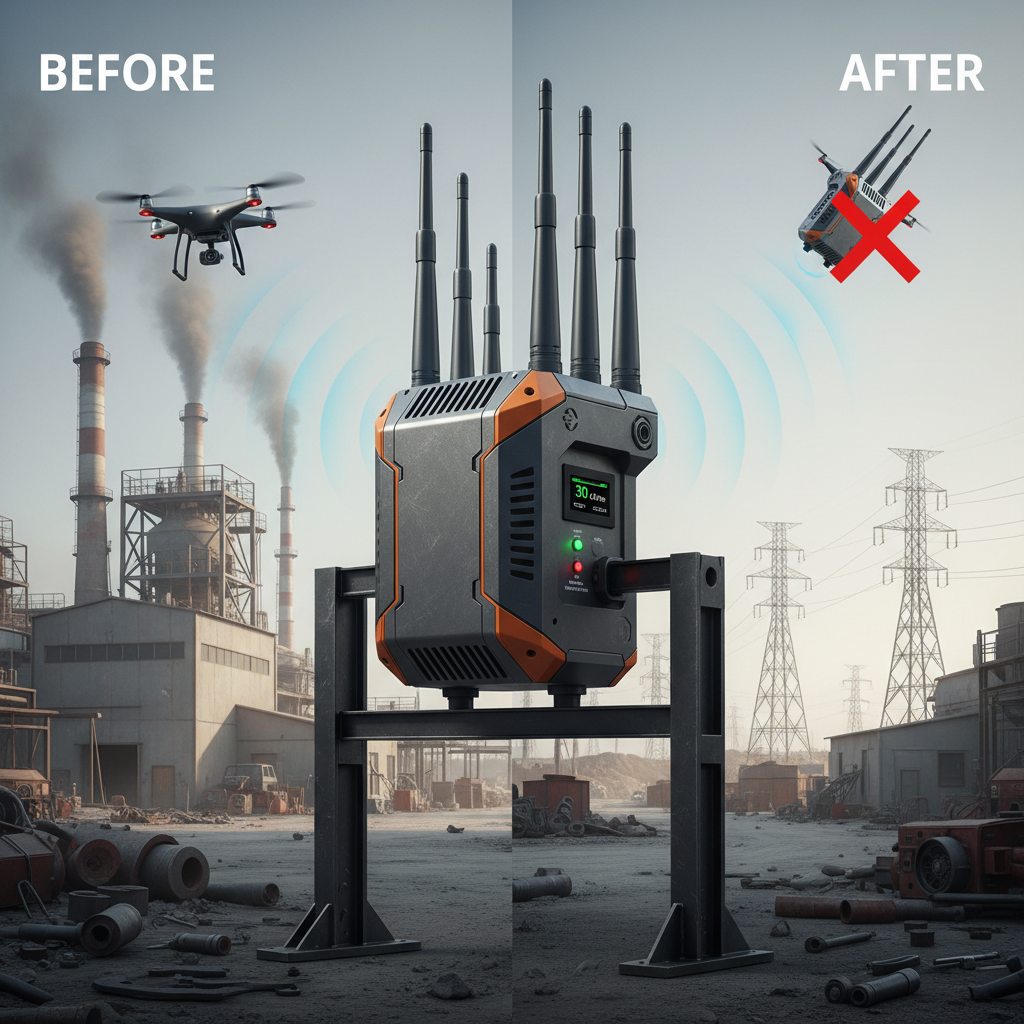
Interference is a fact of life. You can try to minimize it by using shielded cables, filtering your power supply, and choosing a frequency band with less congestion. You can also use spread spectrum techniques to make your signal more robust. And sometimes, you just have to accept that there will be some interference and design your system to tolerate it. It’s annoying, but it happens.
Conclusion
So, rf module china – it's a complex field, but it’s also incredibly important. It’s driving innovation in a lot of different industries. Getting the details right – the antenna design, the power supply filtering, the material selection – it all matters. Don't get caught up in the marketing hype, focus on the fundamentals.
Ultimately, whether this thing works or not, the worker will know the moment he tightens the screw. If it’s flimsy, if it’s unreliable, he’ll feel it. That’s the real test. And if you want to build something that lasts, you need to pay attention to those details. If you're looking for a reliable partner, visit our website: rf module china.