

Reliable Radio Waves Gadgets for Detection in Industrial Equipment
Reliable Radio Waves Gadgets for Detection: Why They Matter
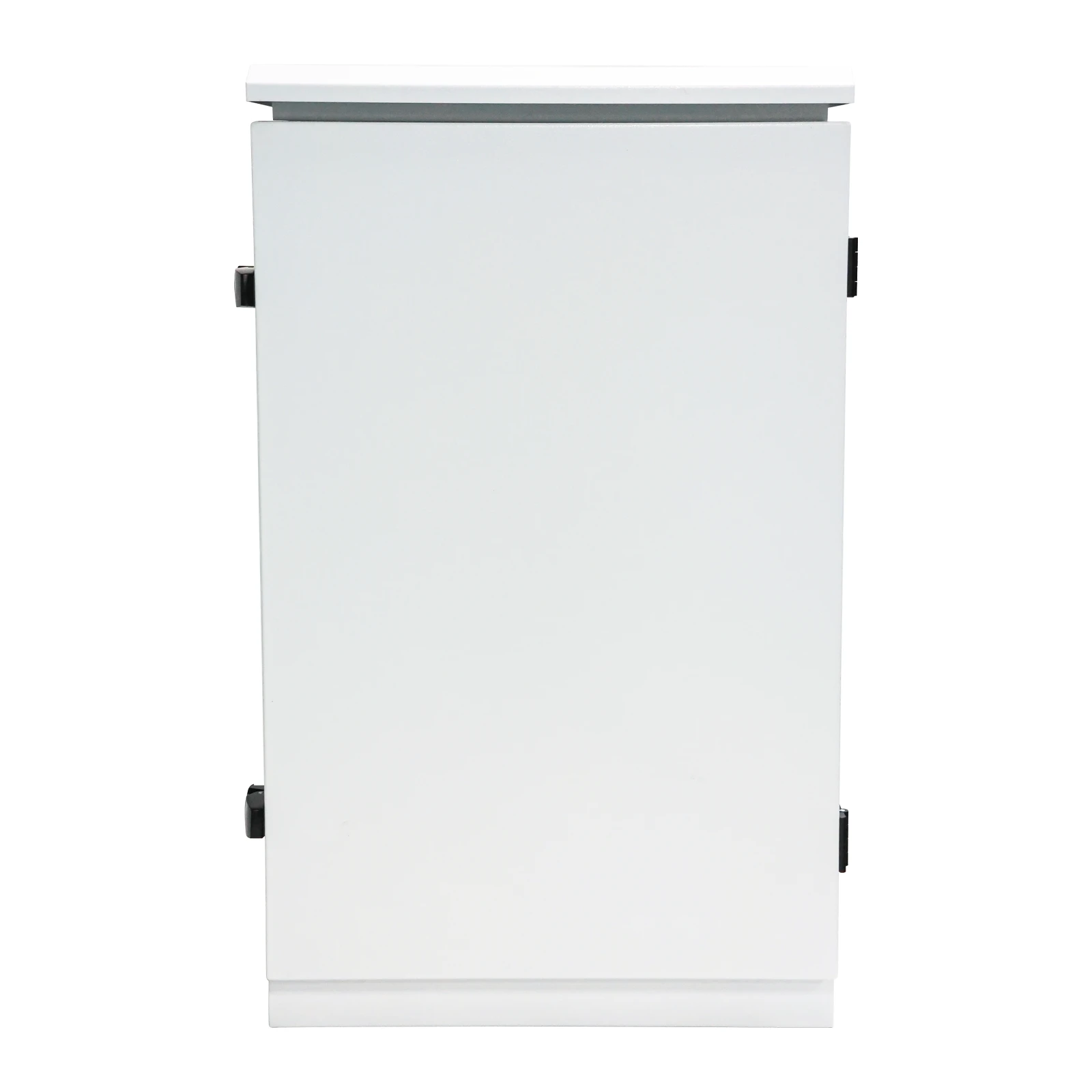
Having spent over a decade in the industrial equipment sector, I've come across countless detection devices, but few have the versatility and practical charm of radio waves gadgets for detection. Whether you're dealing with site surveys, maintenance troubleshooting, or just tracking elusive signals, these tools strike a balance between technical ingenuity and rugged field readiness.
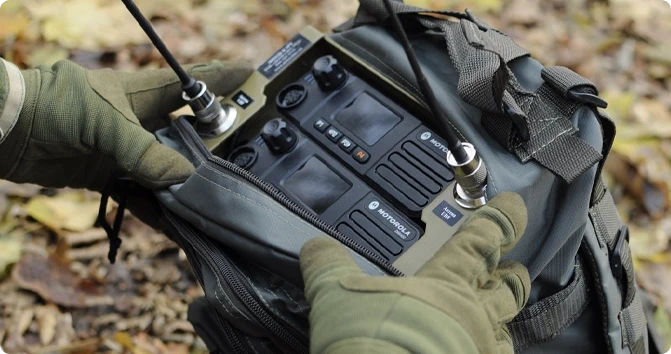
Oddly enough, radio wave detection tech has quietly evolved to become more user-friendly without sacrificing true precision. Remember the big bulky boxes from years ago? Today’s devices fit snugly in a backpack—or even a large pocket—and deliver surprisingly accurate readings, no matter the environment. I recall a project where one gadget saved us hours of downtime simply by clarifying signal interference near a construction site. It felt like finding a needle in a haystack but with a strong magnet.
What Makes These Radio Wave Detectors Stand Out?
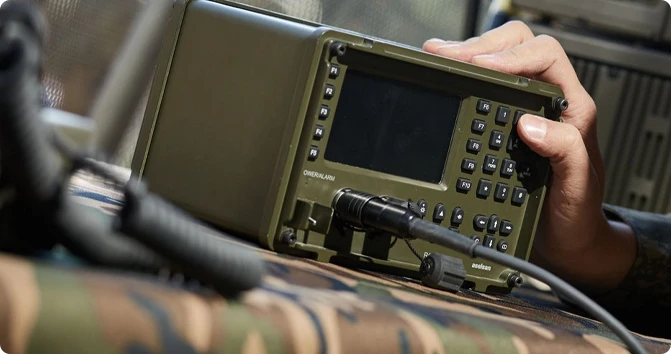
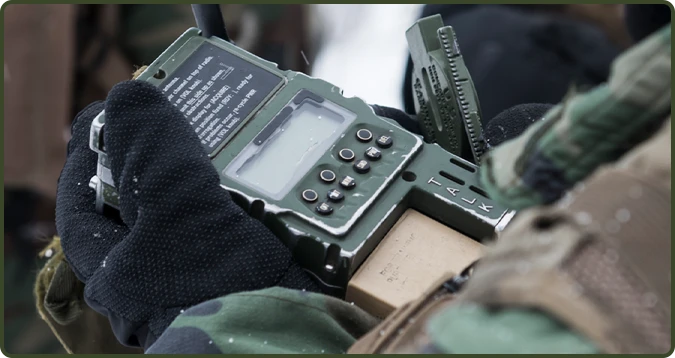
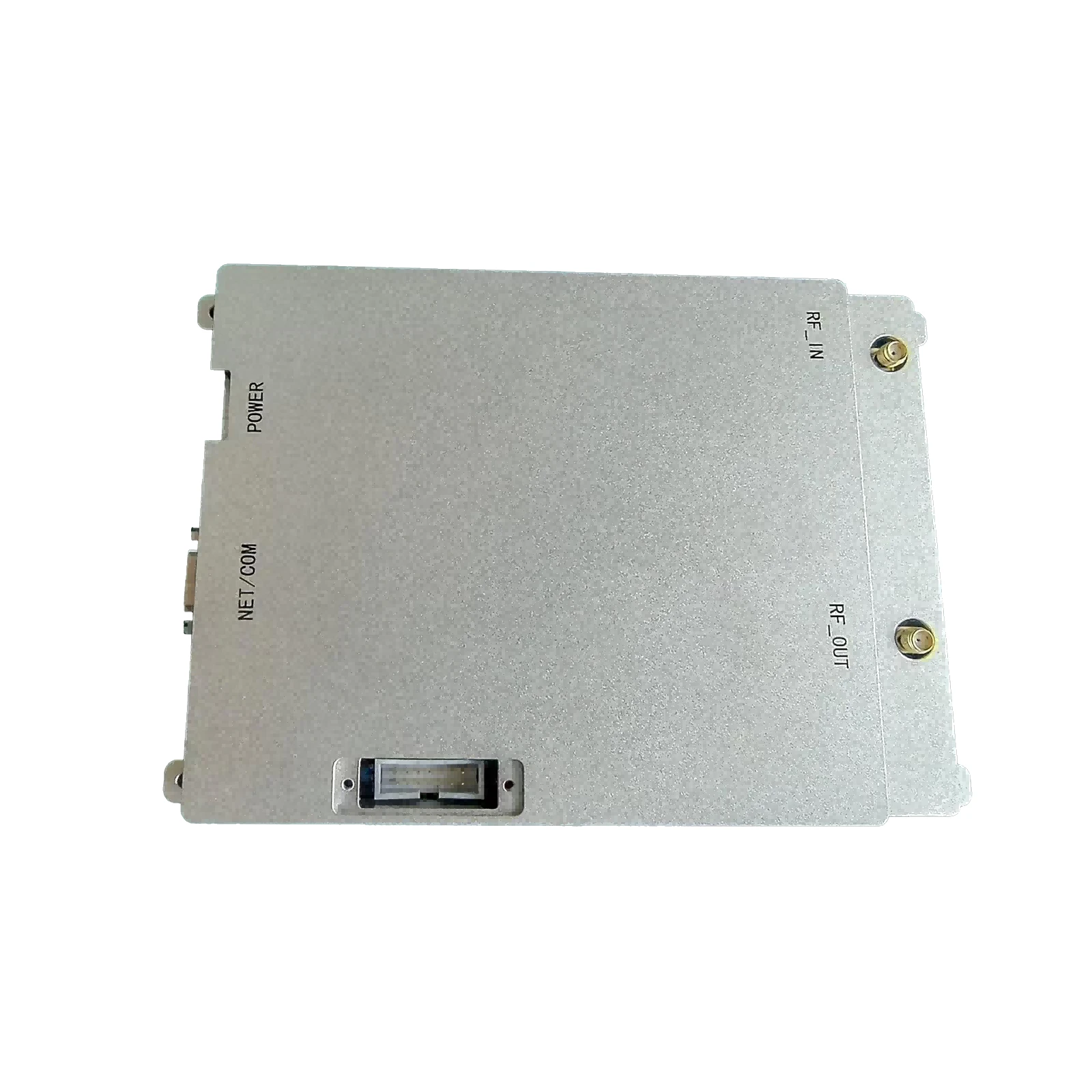
At their core, these gadgets are designed to detect, analyze, and sometimes pinpoint radio frequency signals—which is vital in environments cluttered with wireless communications. Engineers I've worked with consistently mention how easy calibration and durable housings make these products reliable in messy, real-world situations. Drop one or knock it against metal beams? Usually no problem.
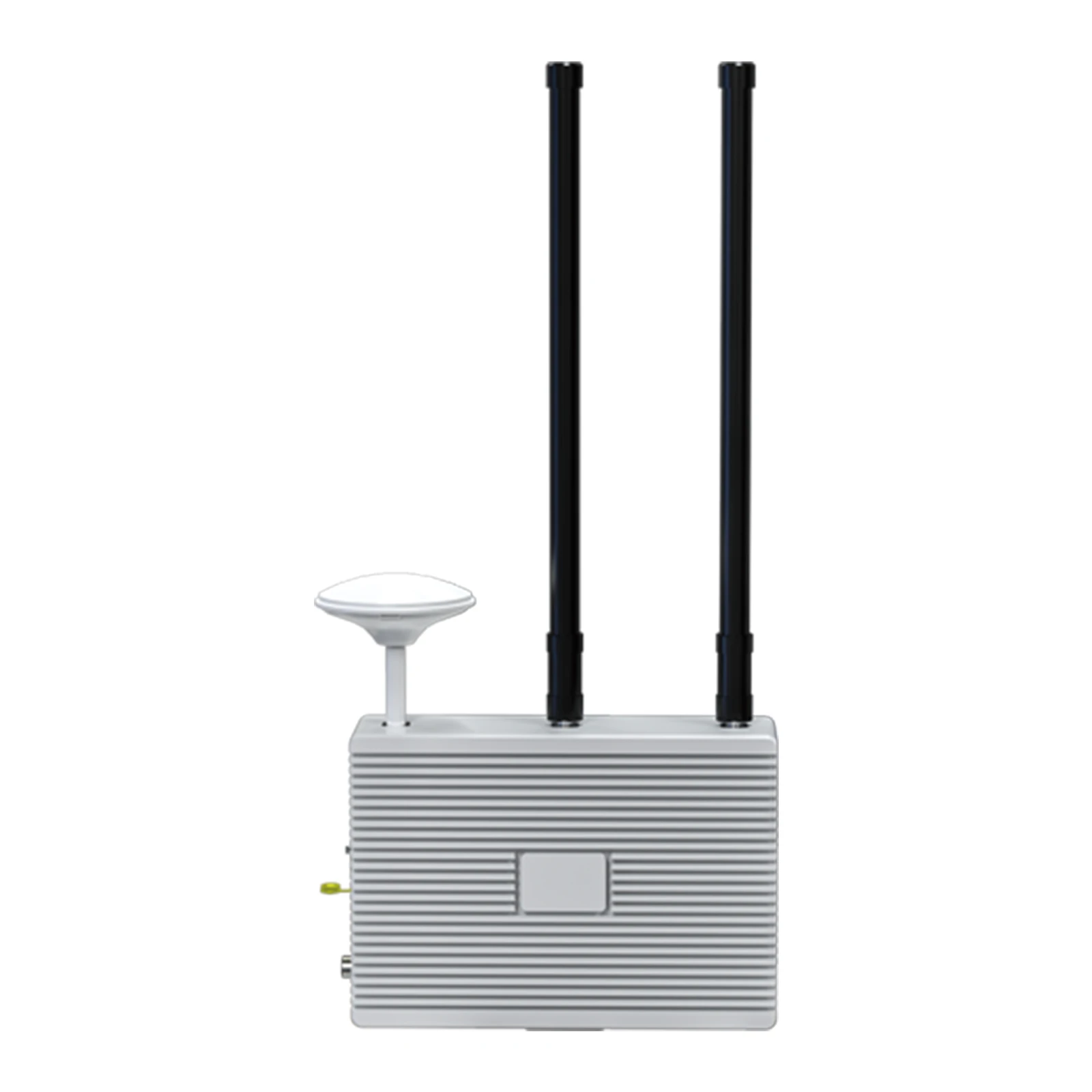
Here’s where things get interesting: many units come with integrated spectrum analyzers, adjustable sensitivity, and real-time signal strength displays. Some even support GPS tagging for geo-locating signals during wide-area scans. It’s the sort of feature set that reflects years of iterative design informed directly by field engineers.
| Spec | Typical Range | Frequency Band | Battery Life | Weight |
|---|---|---|---|---|
| Basic Model | Up to 500 meters | 100 MHz – 6 GHz | 8 hours | 1.2 kg |
| Advanced Model | 1 km | 50 MHz – 8 GHz | 12+ hours | 2.0 kg |
Choosing the Right Vendor: A Quick Comparison
From my experience—and I suppose many share this view—vendor reputation and after-sales service are as important as the specs. You want a partner who understands industrial challenges, not just a shiny brochure.
| Vendor | Product Range | Customization | Support & Training | Pricing |
|---|---|---|---|---|
| Vendor A | Broad (Basic to Advanced) | Limited | Standard | Mid-Range |
| Vendor B | Selective (Advanced only) | High | Comprehensive + On-site | Premium |
| Vendor C | Basic Models | None | Limited | Low |
Many industry engineers say that while cost is always a consideration, devices have to perform reliably in the field, sometimes for days on end. I’ve seen cheap units fail unexpectedly under heat stress, which frankly can cost more than upgrading up front.
Custom options, like additional frequency coverage or ruggedized casing, can make a difference when you work in challenging environments. That’s why it’s worth seeking vendors that understand those nuances—and not just off-the-shelf sales.
A Quick Anecdote from the Field
Years ago, we deployed a team to detect illegal transmissions in a forested area. The radio waves gadget for detection we had was a game changer. Its spectrum analysis capabilities quickly isolated suspicious signals despite heavy environmental noise. The team was impressed; it turned a potentially weeks-long hunt into a single afternoon operation. It felt like technology was finally catching up to on-the-ground realities.
In real terms, the value doesn't just come from specs or even fancy features—it’s how these tools ease decision-making under pressure.
If you’re considering your next detection device, think of it not just as a gadget but as a partner in the field. I’m convinced this is why many specialists keep going back to trusted radio waves gadgets for detection. They fit the bill in a way that’s hard to articulate until you’re truly using one.
Stay sharp and always test your gear in conditions that matter most—experience counts.
References:
- Industry reports: Advances in Radio Frequency Detection Tech, 2023
- Field Engineer Insights, Industrial Gear Journal, 2022
- Vendor product manuals and independent testing summaries

-
 09 March 2021 16 Apr 2026
 -
 09 March 2021 09 Apr 2026
 -
 09 March 2021 07 Apr 2026
 -
 09 March 2021 04 Apr 2026
 -
 09 March 2021 31 Mar 2026
-
 09 March 2021 21 May 2025
 -
 09 March 2021 25 Dec 2024
 -
 09 March 2021 14 Oct 2022
-
 09 March 2021 25 Dec 2024
 English
  Arabic
  Belarusian
  Danish
  Dutch
Dutch  French
  German
  Greek
Greek  Japanese
  Korean
  Myanmar
  Polish
  Portuguese
  Russian
  Spanish
  Swedish
  Thai
Thai  Ukrainian
  Vietnamese