

Rf Broadcast Detector: Essential Tool for Precision RF Monitoring in Industry
Rf Broadcast Detector is a key solution in the industry, specifically within broadcast and telecom sectors. This article explores how https://www.drone-system.com supports professionals with durable, high-performance products, and explains why this product is an ideal choice for businesses in these sectors.
Table of Contents
- Rf Broadcast Detector Overview
- Benefits & Use Cases of Rf Broadcast Detector
- Cost, Maintenance & User Experience
- Sustainability & Market Trends
- Frequently Asked Questions about Rf Broadcast Detector
- Conclusion on Rf Broadcast Detector from china
Rf Broadcast Detector Overview
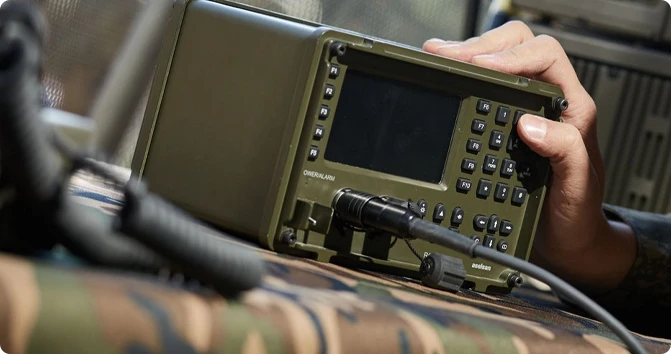
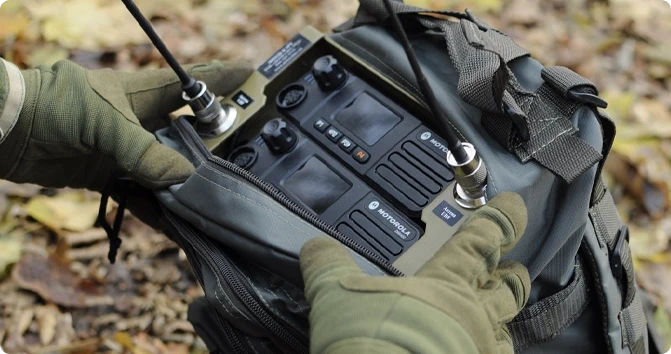
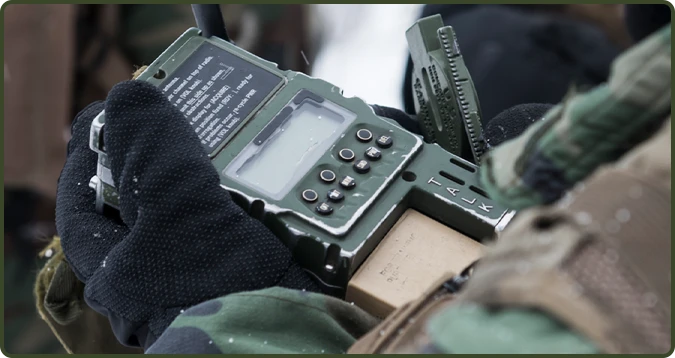
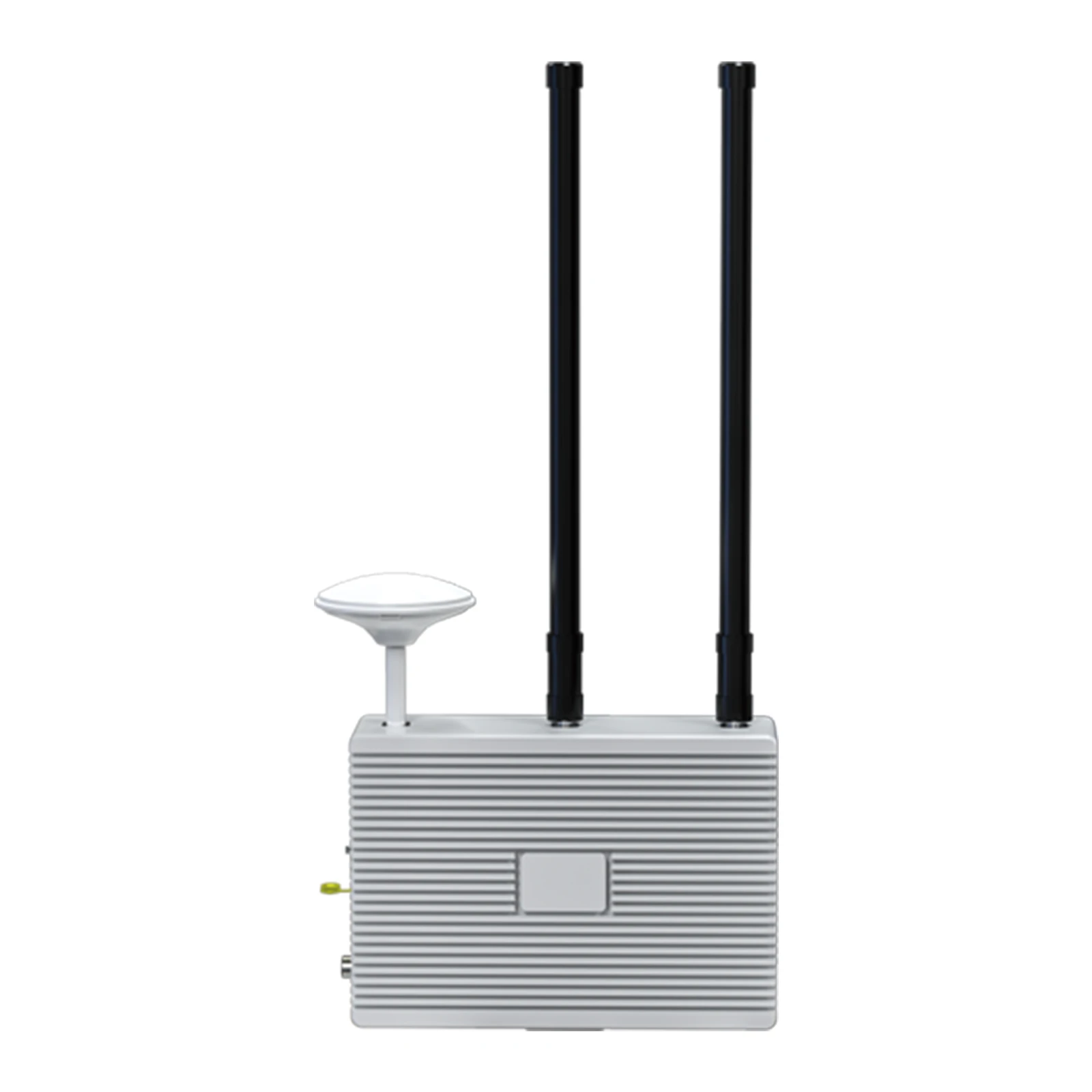
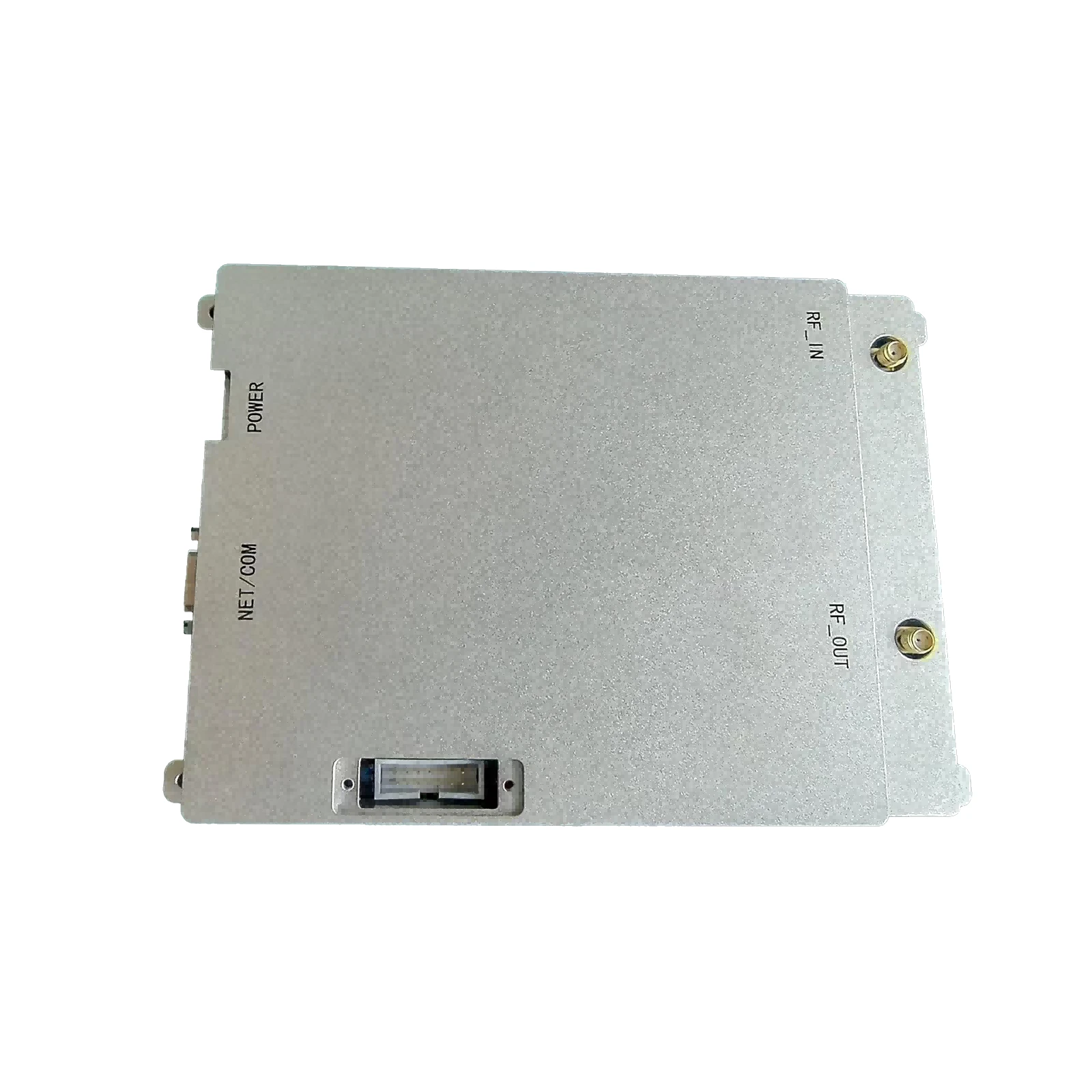
At its core, an Rf Broadcast Detector is a specialized device designed to detect and measure radio frequency broadcasts. These detectors are vital in sectors where radio signals are monitored, managed, or regulated — like broadcasting, telecom infrastructure, and even defense. The technology allows operators to identify signal strengths, frequencies, and sources accurately. Frankly, in a world increasingly dependent on wireless communication, it feels like having one of these detectors is almost non-negotiable.
- The product usually has a frequency range between 10 MHz and 6 GHz, covering most commercial broadcast bands.
- Technical specs typically include a sensitivity threshold as low as -120 dBm and a fast response time, allowing real-time signal identification.
- Case studies show applications in interference detection for broadcasters, avoiding costly downtime during live events.
| Specification | Typical Value |
|---|---|
| Frequency Range | 10 MHz – 6 GHz |
| Sensitivity | -120 dBm |
| Response Time | < 50 ms |
| Display Type | LCD touchscreen |
| Power Supply | Rechargeable Li-ion battery (up to 8 hrs) |
Benefits & Use Cases of Rf Broadcast Detector
If you ask many industry professionals, they’ll tell you the main advantage of a good Rf Broadcast Detector is reliability combined with precision. You can hardly overstate how much of a difference this makes when scanning for unwanted interference or verifying broadcast coverage. Oddly enough, these devices often save more than just time; they can prevent regulatory fines or lost revenue from outages.
- In telecommunications, Rf Broadcast Detectors help ensure quality of service by spotting frequency conflicts early on.
- Safety & security sectors use them to detect unauthorized transmissions, a critical task in sensitive zones.
- Drone operators and event coordinators find these detectors useful to safeguard RF environments against signal jamming.
- A competitive edge: products from Drone-System.com offer rugged, weatherproof housings and customizable alert thresholds, making them stand out in harsh field conditions.
Cost, Maintenance & User Experience
Now, regarding the total cost of ownership — it’s an important factor for B2B buyers. Though initial investment can feel steep, especially for high-end models, many customers report a strong ROI thanks to reduced downtime and fewer signal issues. Maintenance-wise, these detectors are designed for field endurance, with minimal upkeep beyond battery replacement and software updates. One engineer mentioned how his team swears by the simple UI, which reduces the training curve drastically.
- Battery longevity can vary, but an average of 6 to 8 hours is common, supporting full shifts.
- Durability is often reported as a key differentiator — IP66 ratings mean they survive rain, dust, and drops.
- Customers consistently highlight seamless integration with existing telecom monitoring systems.
| Vendor | Price Range | Durability | Features | Support & Warranty |
|---|---|---|---|---|
| Drone-System.com | $$$ (Mid-high) | IP66, rugged | Custom alerts, touchscreen | 3 years, onsite support |
| Vendor A | $$ (Low-mid) | IP54, plastic case | Basic scan, LED indicators | 1 year, online only |
| Vendor B | $$$$ (High) | IP68, military grade | AI-assisted detection, GPS | 5 years, premium support |
Sustainability & Market Trends
Industry trends are pushing toward smarter, more energy-efficient Rf Broadcast Detectors. Regulations around radio frequency emissions are tightening every year globally, and so businesses are under pressure not just to monitor but also to proactively manage the broadcast environment. Meanwhile, sustainability concerns influence manufacturers to design detectors with recyclable components or longer life cycles. It’s kind of a balancing act between cutting-edge tech and environmental responsibility.
- Growing adoption in drone and UAV markets complements broadcast use, expanding the device’s relevance.
- Emerging AI-driven signal analysis is expected to boost accuracy while reducing manual workload.
- More companies are incorporating eco-friendly materials in device enclosures.
Frequently Asked Questions about Rf Broadcast Detector
- What is Rf Broadcast Detector and how does it work?
- Simply put, an Rf Broadcast Detector senses radio signals in a given frequency range, converting them into data that can be interpreted by operators. It captures signal strength, frequency, and sometimes modulation type, making invisible radio waves visible and measurable.
- What are the main benefits of using Rf Broadcast Detector in industrial applications?
- The key benefits include enhanced signal monitoring, faster detection of interference, improved regulatory compliance, and reduced downtime. Devices are often rugged and tailored for outdoor use — making them cost-effective in the long run.
- How does Rf Broadcast Detector compare to traditional alternatives?
- Compared to previous generation spectrum analyzers, modern Rf Broadcast Detectors are more portable, faster, and often equipped with software that allows remote monitoring and customizable alerts, which save time and improve accuracy.
- What industries can benefit most from Rf Broadcast Detector implementation?
- Primary sectors include broadcasting, telecommunications, public safety, defense, and increasingly, commercial drone operators. For example, broadcasters use them to avoid transmission interferences during live events, protecting both quality and reputation.
Conclusion on Rf Broadcast Detector from china
To wrap up, the Rf Broadcast Detector embodies a blend of precise technology, rugged design, and intelligent user features that together meet the demanding needs of modern industries. Whether you’re focused on telecom infrastructure or broader broadcast signal verification, this tool offers measurable value every day. For decision makers in B2B sectors, it’s worth exploring these solutions in depth and seeing how they can fit into your ongoing operational plans.
- Recap the value of Rf Broadcast Detector.
- - Visit our website: https://www.drone-system.com
I suppose what’s really striking about these detectors is how seamlessly they merge into complex workflows, proving their worth not only in labs but out in tough field conditions. For more insights, checking out specialist forums or peer-reviewed case studies is always a smart idea.
- Industry reports on broadcast equipment trends, 2023
- User testimonials from telecom monitoring pros, 2023
- Latest FCC regulations on radio frequency equipment, 2024

-
 09 March 2021 16 Apr 2026
 -
 09 March 2021 09 Apr 2026
 -
 09 March 2021 07 Apr 2026
 -
 09 March 2021 04 Apr 2026
 -
 09 March 2021 31 Mar 2026
-
 09 March 2021 21 May 2025
 -
 09 March 2021 25 Dec 2024
 -
 09 March 2021 14 Oct 2022
-
 09 March 2021 25 Dec 2024

 English
  Arabic
  Belarusian
  Danish
  Dutch
Dutch  French
  German
  Greek
Greek  Japanese
  Korean
  Myanmar
  Polish
  Portuguese
  Russian
  Spanish
  Swedish
  Thai
Thai  Ukrainian
  Vietnamese