

Remote Frequency Detector - Essential Tool for Advanced Signal Detection | Drone-System.com
Remote Frequency Detector is a key solution in the industry, specifically within surveillance, telecommunications, and security sectors. This article explores how https://www.drone-system.com supports professionals with durable, high-performance products, and explains why this product is an ideal choice for businesses in these sectors.
Table of Contents
- Remote Frequency Detector Overview
- Benefits & Use Cases of Remote Frequency Detector
- Cost, Maintenance & User Experience
- Sustainability & Market Trends
Remote Frequency Detector Overview
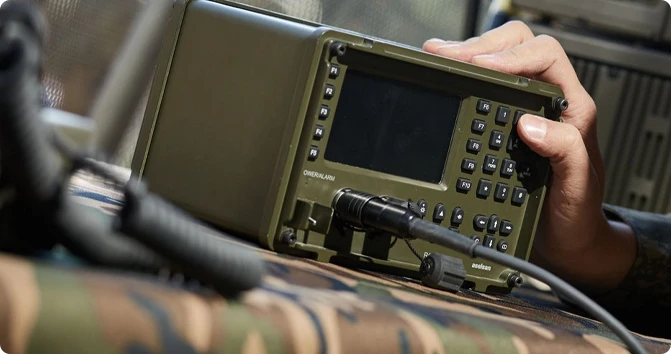
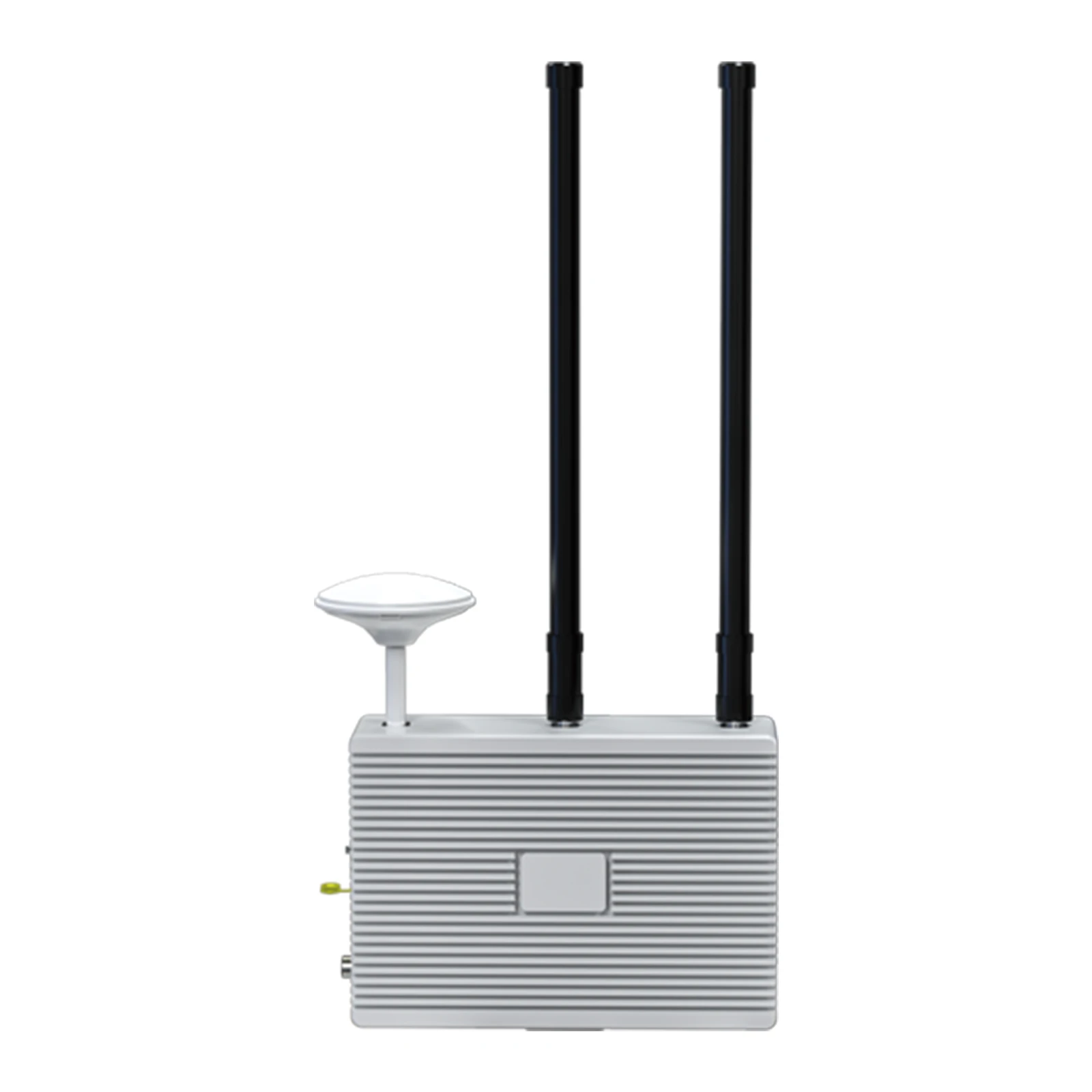
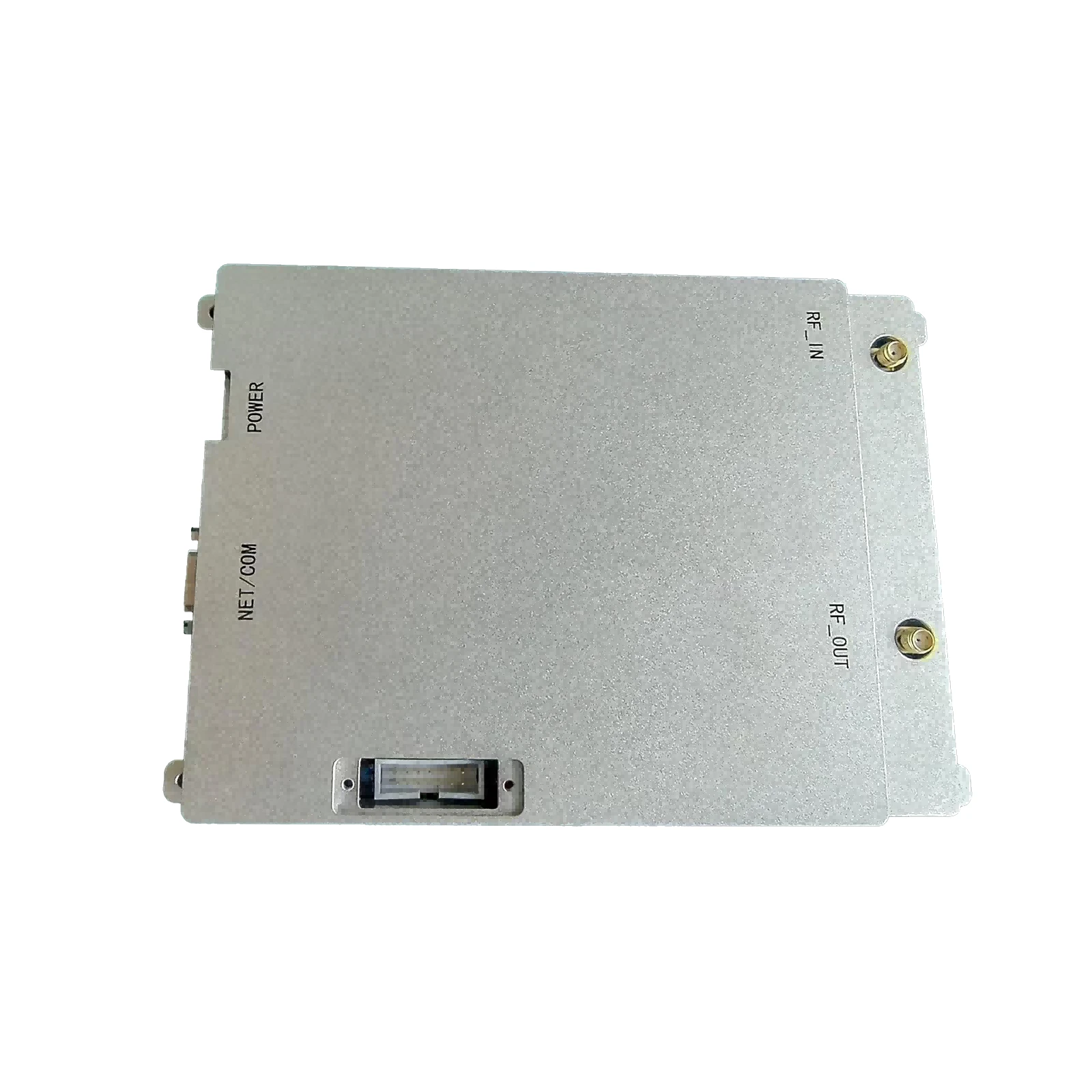
A Remote Frequency Detector, in its essence, is a device designed to sense and analyze radio frequencies from a distance. It acts like a keen listener in complex electromagnetic environments, spotting signals that are often hidden or obstructed. Frankly, it’s a vital piece of kit for industries monitoring wireless networks, drone communications, or potential signal interferences.
- Technically, these detectors scan frequencies ranging widely – some covering from 20 MHz to over 6 GHz. What’s clever is their ability to remotely detect without needing physical proximity, often using directional antennas paired with sophisticated digital signal processing.
- For example, in a recent case study, a telecom company deployed these to identify unauthorized signal transmissions disrupting their cellular towers. They pinpointed interference sources quickly, saving downtime and costly service interruptions.
Benefits & Use Cases of Remote Frequency Detector
The practical uses of a Remote Frequency Detector stretch across many domains. In security, they help guard against covert transmissions or unauthorized drones. Telecom operators utilize them to maintain clear spectrum environments. And honestly, even public safety agencies find these devices essential for intercepting emergency channels or rogue signals.
- Key features often include long-range detection up to several kilometers, user-friendly interfaces, and ruggedized builds for outdoor conditions. Remote Frequency Detector offerings here deliver reliable signal clarity even in urban canyon effects.
- Compared to other options, these detectors tend to offer faster signal lock times and customizable alert thresholds — meaning operators waste less time chasing phantom signals.
| Specification | Details |
|---|---|
| Frequency Range | 20 MHz – 6 GHz |
| Detection Range | Up to 3 km (line of sight) |
| Antenna | Directional, high-gain |
| Signal Processing | Digital Signal Processing with Noise Filtering |
| Operating Temperature | -20°C to +55°C |
Cost, Maintenance & User Experience
Cost-wise, a remote frequency detector might feel like a substantial investment initially — but the return on investment is usually clear, especially when downtime or security lapses are avoided. These units are built tough; many buyers note the sturdy housing and low failure rates even in rough outdoor deployments.
- Regular maintenance is minimal — mostly firmware updates and antenna checks. The devices often come with intuitive software, making operator training relatively quick, which saves on ongoing operational costs.
- Several clients in the security sector report that the detectors “just work” out of the box and have become indispensable tools in their daily monitoring procedures.
| Feature | Drone-System.com | Competitor A | Competitor B |
|---|---|---|---|
| Frequency Range | 20 MHz – 6 GHz | 50 MHz – 5 GHz | 30 MHz – 7 GHz |
| Detection Range | Up to 3 km | Up to 2 km | Up to 4 km |
| Price Level | $$$ (Premium) | $$ (Mid-range) | $$$$ (High-end) |
| User Interface | Intuitive, web-based | Basic, standalone | Complex, requires training |
| Warranty | 2 years | 1 year | 3 years |
Sustainability & Market Trends
Speaking of sustainability, many manufacturers – including those behind Remote Frequency Detector – are pushing eco-conscious design. This involves recyclable materials and energy-efficient components. With stricter regulations globally in spectrum management and wireless device usage, the market demand for reliable frequency detectors keeps climbing.
- Interestingly, with the rise of drone usage and IoT networks, these detectors aren't just about security — they become essential in ensuring seamless communications and minimizing signal chaos.
Frequently Asked Questions about Remote Frequency Detector
- What is Remote Frequency Detector and how does it work?
- Simply put, a Remote Frequency Detector identifies and measures radio waves from afar. It scans broad frequency bands using antennas and advanced processing to pick up hidden or distant signals without the need for being right next to the source.
- What are the main benefits of using Remote Frequency Detector in industrial applications?
- The biggest plus is robust signal detection over large distances and in challenging environments. They are cost-effective by reducing downtime and increasing security. The ease of remote monitoring also enhances operational efficiency.
- How does Remote Frequency Detector compare to traditional alternatives?
- Traditional alternatives often require line-of-sight or closer proximity. Remote detectors leverage digital signal processing and directional antennas, offering faster, more accurate detection with less physical presence.
- What industries can benefit most from Remote Frequency Detector implementation?
- Mainly telecom, security, defense, and public safety sectors. For example, telecoms use them to clear frequency interference, while security firms monitor for clandestine transmissions or drones.
Conclusion on Remote Frequency Detector from china
In summary, the Remote Frequency Detector remains a cornerstone device for industries relying on meticulous spectrum monitoring and security. Its combination of longevity, precision, and ease of use makes it a wise investment—especially when sourced from reputable suppliers like those at Drone-System.com.
- Does your business need trustworthy frequency detection? Visit our website: https://www.drone-system.com

-
 09 March 2021 16 Apr 2026
 -
 09 March 2021 09 Apr 2026
 -
 09 March 2021 07 Apr 2026
 -
 09 March 2021 04 Apr 2026
 -
 09 March 2021 31 Mar 2026
-
 09 March 2021 21 May 2025
 -
 09 March 2021 25 Dec 2024
 -
 09 March 2021 14 Oct 2022
-
 09 March 2021 25 Dec 2024
 English
  Arabic
  Belarusian
  Danish
  Dutch
Dutch  French
  German
  Greek
Greek  Japanese
  Korean
  Myanmar
  Polish
  Portuguese
  Russian
  Spanish
  Swedish
  Thai
Thai  Ukrainian
  Vietnamese